
For many years, advanced ovarian cancer has been known as the “silent killer.” Because it is often detected late and has a high rate of recurrence and drug resistance, patients who have exhausted surgery, chemotherapy, and targeted therapies often feel they have run out of options. While CAR-T cell therapy has already revolutionized the treatment of blood cancers, China is now leading the global charge in applying this technology to solid tumors — specifically gynecological cancers. China Care Health Tours has synthesized the latest clinical data to highlight the top centers and experts currently pushing the boundaries of CAR-T clinical trials for gynecologic cancer in China.
Key Facts
- CAR-T therapy for gynecologic cancers (ovarian, cervical) costs $120,000–$220,000 in China — approximately 70% less than equivalent US pricing.
- Jiangsu Province Hospital (Nanjing) achieved a 100% Disease Control Rate (DCR) with the KT032 protocol targeting MSLN-positive ovarian cancer patients (published in Genome Medicine, late 2024).
- Zhengzhou University First Affiliated Hospital has processed over 10,000 cell therapy cases since 2010, producing the globally longest-surviving MSLN CAR-T beneficiary.
- Tongji Hospital (Wuhan) has completed over 1,000 cell therapy clinical trials, as published in the journal Cell.
- If a patient qualifies for an Investigator-Initiated Trial (IIT), the CAR-T cell cost may be subsidized, reducing out-of-pocket expenses for hospital stays and clinical management to approximately $15,000–$40,000.
Table of Contents
Why China for CAR-T in Solid Tumors?
Treating ovarian cancer with CAR-T is significantly more complex than treating blood cancer. The “tumor microenvironment” in the abdomen acts as a shield, suppressing immune cells. Chinese researchers have pioneered innovative delivery methods — such as direct peritoneal injections and “armored” CAR-T cells that secrete their own PD-1 antibodies — to overcome these hurdles. CAR-T cell therapy works by engineering a patient’s own immune cells to recognize and destroy cancer, a process that has transformed outcomes in blood cancers and is now being extended to solid tumors.
Below are the elite institutions currently leading these breakthroughs.
1. East China: The Innovation Hubs (Shanghai & Nanjing)
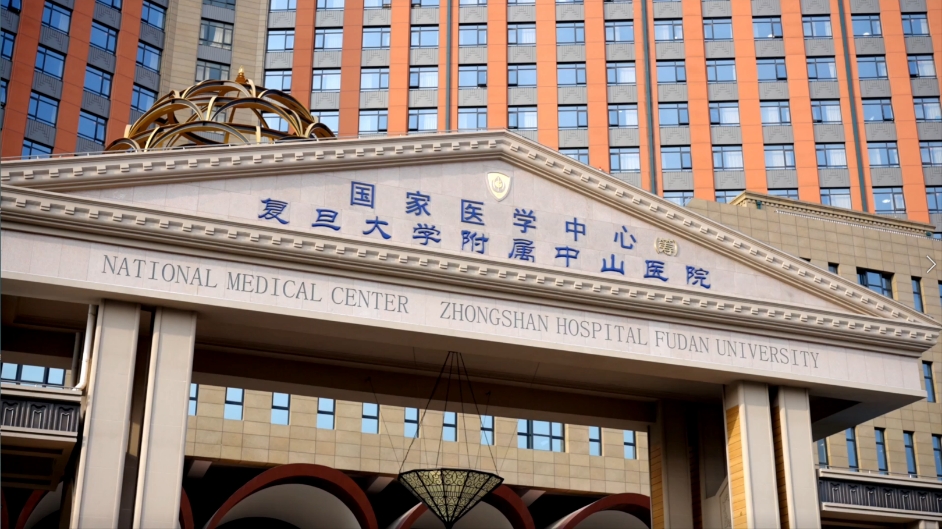
Fudan University Zhongshan Hospital (Shanghai)
- Lead Expert: Prof. Zang Rongyu
- The Breakthrough: Intraperitoneal TAG-72 CAR-T.
- Why it matters: Prof. Zang is a leading figure in Chinese gynecological oncology. His team is the first in China to target the TAG-72 antigen via direct injection into the abdominal cavity. This allows the CAR-T cells to attack the cancer directly at the site of spread, making it ideal for patients with malignant ascites (fluid buildup).
By participating in CAR-T Clinical Trials for Gynecologic Cancer, patients gain access to therapies that are redefining the standard of care.
Shanghai Tenth People’s Hospital
- Lead Expert: Prof. Qian Qijun & Prof. Xu Qing
- The Breakthrough: αPD-1-mesoCAR-T.
- Why it matters: In a world-first, this team developed CAR-T cells that “carry their own ammunition.” As the cells attack the tumor, they secrete PD-1 antibodies to prevent the tumor from “turning off” the immune response. Clinical results have already shown significantly extended overall survival in refractory cases.
Jiangsu Province Hospital (Nanjing)
- Lead Expert: Prof. Shu Yongqian
- The Breakthrough: 100% Disease Control Rate (DCR) with KT032.
- Why it matters: In late 2024, Prof. Shu published groundbreaking data in Genome Medicine. In a trial of late-stage MSLN-positive ovarian cancer patients, his team achieved a 100% disease control rate. One notable patient in this program had previously failed 53 rounds of chemotherapy before finding success with this CAR-T protocol.
These advancements in CAR-T Clinical Trials for Gynecologic Cancer reflect a commitment to improving survival rates and quality of life for patients.
2. South China: Precision and Supply Chain Integration
Participation in CAR-T Clinical Trials for Gynecologic Cancer has shown promising results, offering hope where traditional therapies have failed.
As the demand for CAR-T Clinical Trials for Gynecologic Cancer increases, more centers are emerging to meet the needs of patients seeking innovative treatments.
The success of CAR-T Clinical Trials for Gynecologic Cancer serves as a testament to the potential of targeted therapies in oncology.
Sun Yat-sen University Cancer Center (Guangzhou)
Collaborations across institutions are crucial for advancing CAR-T Clinical Trials for Gynecologic Cancer, ensuring that patients receive the best possible care.
The focus on CAR-T Clinical Trials for Gynecologic Cancer highlights the urgent need for innovative solutions in the treatment of gynecological malignancies.
- Lead Expert: Prof. Lan Chunyan
- The Breakthrough: Targeted MSLN (Mesothelin) Therapy.
- Why it matters: Located in the heart of China’s medical manufacturing hub, this center offers high-precision MSLN-targeted CAR-T (FC004). For patients whose tumors show high MSLN expression (≥40%), the clinical results have been exceptionally promising.
3. Central & Western China: Survival Milestones
Zhengzhou University First Affiliated Hospital
- Lead Expert: Prof. Zhang Yi
- The Breakthrough: Global Record for Long-term Survival.
- Why it matters: Prof. Zhang’s team treated a patient (Ms. Zhao) who became the longest-surviving beneficiary of MSLN CAR-T therapy globally. Their center has processed over 10,000 cell therapy cases since 2010, making them one of the most experienced “high-volume” centers in the world.
Tongji Hospital (Wuhan)
Each breakthrough in CAR-T Clinical Trials for Gynecologic Cancer brings us closer to more effective and safe treatment options for patients.
- Lead Expert: Prof. Gao Qinglei
- Why it matters: Prof. Gao’s team recently published landmark research in the journal Cell. Their center has completed over 1,000 cell therapy clinical trials, offering an immense database of safety and efficacy.
Essential Considerations for International Patients
While these advancements offer profound hope, CAR-T is a highly specialized medicine. It is not suitable for everyone. At China Care Health Tours, we ensure our clients understand the clinical realities:
- Target Expression is Key: Most trials require your tumor tissue to test positive for specific markers (like Mesothelin/MSLN or TAG-72). We help coordinate these pathology reviews before you travel.
- Performance Status: Patients must be relatively mobile and have stable organ function (ECOG score of 0–1). NCCN clinical guidelines for lymphoma and other cancers similarly require performance status assessment before cellular therapy.
- The “Bridge” to Care: Most trials are for patients who have already failed standard chemotherapy. According to the WHO, cancer is among the leading causes of death worldwide, with gynecological cancers representing a significant proportion of the global burden, underscoring the urgency of expanding treatment options like these trials.
How China Care Health Tours Facilitates Your Journey
Navigating a foreign medical system while fighting a serious illness is daunting. As your “Team on the Ground,” we bridge this gap by:
In summary, the exploration of CAR-T Clinical Trials for Gynecologic Cancer is paving the way for progress in gynecological oncology.
As the landscape of CAR-T Clinical Trials for Gynecologic Cancer evolves, patients must stay informed and engaged.
- Pre-Screening Coordination: We help translate your medical records and send them to the lead investigators listed above for a preliminary opinion.
- S2 Medical Visa Support: We facilitate the official hospital invitation letters required for specialized medical entry into China. See our full S2 Medical Visa Guide.
- Bedside Companionship: We don’t just “book a tour”; we walk through the hospital doors with you, ensuring every word from the specialist is translated and every need is met with local warmth.
Understanding the implications of CAR-T Clinical Trials for Gynecologic Cancer is essential for patients navigating their treatment options.
If you or a loved one are seeking a clinical consultation for CAR-T therapy in China, reach out to us for a private discussion.
China Care Health Tours is committed to guiding patients through the evolving landscape of CAR-T Clinical Trials for Gynecologic Cancer. For those seeking advice, CAR-T Clinical Trials for Gynecologic Cancer represent a beacon of hope amidst challenging circumstances.
Get in touch with our team to learn more about CAR-T Clinical Trials for Gynecologic Cancer and how we can assist.
FAQs
Q: Is CAR-T therapy for ovarian cancer currently available in China?
Yes. While CAR-T is primarily FDA-approved for blood cancers in the West, China is a global leader in solid tumor clinical trials. Leading centers like Sun Yat-sen University Cancer Center and Zhongshan Hospital are currently conducting Phase I and II trials specifically for advanced, recurrent ovarian cancer, targeting biomarkers like MSLN and TAG-72.
Q: What is the success rate of CAR-T therapy for solid tumors like ovarian cancer?
Clinical data from Chinese trials in 2024–2026 has shown encouraging results. Trials targeting the MSLN protein have reported Disease Control Rates (DCR) as high as 70–100% in small study groups. While it is not yet a cure for everyone, it has significantly extended progression-free survival for patients who have failed multiple rounds of chemotherapy. The American Cancer Society notes that gynecologic cancers remain among the most difficult to treat after recurrence, highlighting the importance of emerging immunotherapy approaches.
Q: How much does CAR-T therapy cost in China for international patients?
Commercial CAR-T therapy for gynecologic cancers typically ranges from $120,000 to $220,000 — about 70% less than in the US. If a patient qualifies for an Investigator-Initiated Trial (IIT), the cost of the CAR-T cells may be subsidized, reducing out-of-pocket expenses for hospital stays and clinical management to approximately $15,000–$40,000.
Q: Can international patients join CAR-T clinical trials in China?
Yes, many top-tier Chinese hospitals accept international participants. However, eligibility is strict. Patients must generally have stable organ function, a positive test for the specific tumor antigen (like MSLN), and an official S2 Medical Visa.
Q: How long is the treatment and recovery period for CAR-T in China?
The entire process usually requires a stay of 4 to 6 weeks. This includes the initial cell collection (apheresis), a 7–10 day period for cell manufacturing, and a 2–4 week inpatient stay after infusion to monitor for side effects like Cytokine Release Syndrome (CRS). See the full CAR-T Treatment Timeline Guide.