CAR-T Cell Therapy
in China:
Approved. Accessible.
China Care matches international patients to the right NMPA-approved CAR-T product and coordinates every step, from case review to discharge.
What China Care Does
China Care is a navigation and coordination service, not a hospital or CAR-T manufacturer. Preliminary screening is free.
Cancer Cells Cleared After Six Years of Treatment
"After six years of treatment in Kazakhstan with no lasting remission, and signs my disease was progressing, I came to China for new hope. Dr. Hu Kai's team at Beijing GoBroad Hospital gave me CAR-T therapy — my cancer cells were cleared."
Shared with permission from Beijing GoBroad Hospital — watch the original story. Individual results vary by diagnosis and case history — China Care's preliminary screening will give you an honest assessment of your own case.
What Is CAR-T Cell Therapy?
CAR-T (Chimeric Antigen Receptor T-cell) therapy is a form of immunotherapy in which a patient's own T-cells are genetically engineered to recognise and destroy cancer cells. It is considered one of the most significant advances in oncology of the past decade, with durable remission rates in certain blood cancers previously considered untreatable.
Unlike chemotherapy, which attacks all rapidly dividing cells, CAR-T therapy targets a specific protein on cancer cells — most commonly CD19 (found on B-cell malignancies) or BCMA (found on myeloma cells).
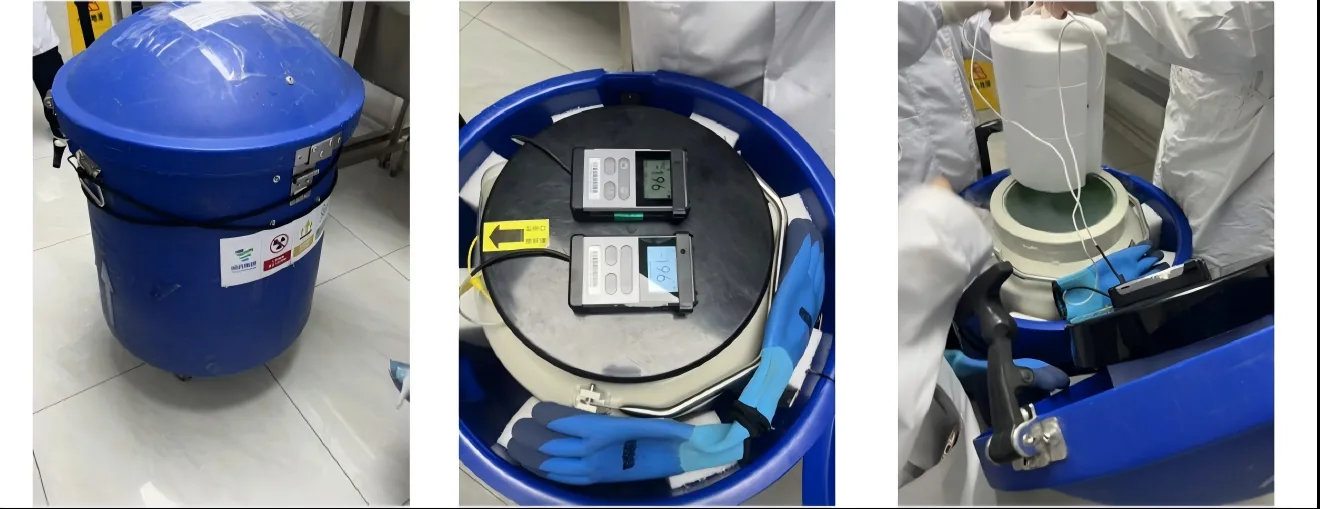
Manufacturing takes 7–21 days after leukapheresis (T-cell collection). This is not a same-day procedure. Your treatment timeline will include a bridging therapy period while your cells are being engineered at a GMP-certified facility.
Four Reasons China Has Become a Primary Destination
China is not a workaround. For patients who cannot afford US pricing, or who need access to trials not open elsewhere, it is the primary option.
Understanding China's CAR-T Treatment Pathways
Beginning in May 2026, China's CAR-T landscape changed. There are now two clearly distinct pathways with different hospital types, cost structures, and eligibility criteria. For the large majority of international patients, commercial CAR-T is the realistic and recommended pathway — it is standard clinical care with predictable timelines, not dependent on trial enrollment. Clinical trial access exists but should be treated as a narrow exception, not a default plan.
Patients receive NMPA-approved commercial CAR-T products at qualified hospitals. Standard clinical care — not a trial, and not subject to research team recruitment decisions. Costs are set by the hospital and product manufacturer, and timelines are predictable once a specialist confirms eligibility.
Available only through public hospitals conducting registered clinical trials, and only if your diagnosis does not fit an approved product. Recruitment is managed by the research team and places are typically offered first to patients already established within that hospital's domestic referral network. First-time overseas enrollment is uncommon — treat this as a possibility to explore, not a plan to rely on.
| Commercial CAR-T | Clinical Trial CAR-T | |
|---|---|---|
| Who is suitable | Patients meeting approved product indications (DLBCL, FL, MCL, MM, B-ALL) | Patients who may not qualify for approved products, or for whom trials offer novel targets (solid tumours, autoimmune, dual-target) |
| Hospital type | Qualified hospitals | Public hospitals conducting registered ChiCTR clinical trials only |
| Treatment cost | ¥0.89M–¥1.4M official list price, roughly $125K–$215K depending on the exchange rate (product-dependent; final invoice quoted by hospital) | $15,000–$40,000; some trials subsidised or free |
| Waiting time | Weeks — subject to bed availability and pre-treatment workup | Variable — depends on trial enrollment status at the time of enquiry |
| Eligibility | Determined by treating physician based on diagnosis, prior lines, and fitness | Strict inclusion/exclusion criteria per trial protocol; no guarantee of acceptance |
| Approval status | 9 NMPA-approved products (Axi-cel, Relma-cel, Equecab-cel, Inaticabtagene autoleucel, Zevor-cel, Cilta-cel, Renialeucel, Puzolcabtagene autoleucel, Satri-cel) | Investigational — not yet commercially approved; conducted under ChiCTR registration |
China Care preliminary screening helps identify which pathway may be appropriate before any hospital contact is made. This is a navigation assessment, not a medical determination.
A realistic note on clinical trial enrollment. Based on our ongoing communication with hospitals and research teams in China: participation by international patients in investigator-initiated CAR-T trials is not prohibited in principle, but enrollment is highly selective. Recruitment is typically managed directly by the research team at public hospitals, and available places are often offered first to patients already receiving care at that hospital or referred through domestic clinical networks. As a result, enrollment by overseas patients with no prior treatment history in China remains relatively uncommon — even when a patient appears medically eligible, admission is decided by the investigators and the study protocol, not guaranteed by eligibility alone. China Care's preliminary screening will tell you honestly where your case stands, including if a trial pathway is unlikely.
Which Conditions Can Be Treated?
The distinction between NMPA-approved indications and clinical trial indications matters. Approved indications have established efficacy and safety data, standard clinical timelines, and cover most patients who contact us. Trial indications are investigational, harder to enter as a first-time overseas patient, and outcomes are less certain — but access costs are lower for the minority of cases where a trial genuinely applies.
- Relapsed / Refractory DLBCL2nd line or later
- Follicular Lymphoma3rd line or later (Axi-cel approved)
- Multiple MyelomaBCMA-targeted; relapsed/refractory after 3+ prior lines
- B-Cell Acute Lymphoblastic LeukaemiaPaediatric and adult; relapsed/refractory
- Mantle Cell LymphomaRelapsed/refractory after BTK inhibitor
- Advanced Gastric / GEJ AdenocarcinomaCLDN18.2-positive, HER2-negative, 2+ prior lines failed — the world's first approved solid-tumour CAR-T (Satri-cel)
- Severe Autoimmune DiseaseLupus, myositis, systemic sclerosis — China leads globally
- Solid Tumours (Other Than Approved Gastric Indication)Lung, liver, pancreatic — active trials at SYSUCC and Nanfang
- T-Cell LymphomaCD7 and CD5-targeting trials open
- Chronic Lymphocytic Leukaemia (CLL)Phase II trials at multiple centres
- Relapsed DLBCL — 1st Line TrialsExploring CAR-T as frontline treatment
Not sure which pathway applies? China Care offers a free preliminary screening. Most patients we screen match an approved commercial product; we will tell you clearly if that is your case, and give you a realistic view of trial access only where it genuinely applies — before any hospital is involved, and at no charge. Explore Your CAR-T Options →
NMPA-Approved CAR-T Products in China (2026)
These are not generic or counterfeit versions of Western products. They are independently developed and approved, with their own clinical trial data, manufactured at GMP-certified facilities in China.
| Product | Target | Indication | Approved | List Price |
|---|---|---|---|---|
| Axi-cel 奕凯达® · Fosun Kite |
CD19 | DLBCL, FL, MCL (relapsed/refractory) | Jun 2021 | ¥1.20M (~$165K–$185K) |
| Relma-cel 倍诺达® · JW Therapeutics |
CD19 | DLBCL; B-ALL (relapsed/refractory) | Sep 2021 | ¥1.29M (~$175K–$200K) |
| Equecab-cel 福可苏® · IASO Bio |
BCMA | Multiple Myeloma (3+ prior lines) | Jun 2023 | ¥1.166M (~$160K–$180K) |
| Inaticabtagene Autoleucel 源瑞达® · He Yuan Biotech |
CD19 | B-ALL; DLBCL (relapsed/refractory) | Nov 2023 / Nov 2025 | ¥0.999M (~$135K–$155K) |
| Zevor-cel 赛恺泽® · CARsgen Therapeutics |
BCMA | Multiple Myeloma (relapsed/refractory) | Mar 2024 | ¥1.15M (~$155K–$180K) |
| Cilta-cel 卡卫荻® · Legend Biotech / J&J |
BCMA | Multiple Myeloma (3rd line or later) | Aug 2024 | ¥1.15M (~$155K–$180K) |
| Renialeucel 恒凯莱® · HRAIN Biotechnology |
CD19 | DLBCL (2nd line or later) | Jul 2025 | ¥0.89M–¥1.0M (~$120K–$155K) |
| Puzolcabtagene Autoleucel 普利得凯® · Chongqing Precision Biotech |
CD19 | B-ALL, ages 3–21 | Nov 2025 | ¥1.4M (~$190K–$215K) |
| Satri-cel New 恺力美® · CARsgen Therapeutics |
CLDN18.2 | Gastric / GEJ adenocarcinoma (CLDN18.2+, HER2−) | Jun 2026 | ¥0.99M (~$135K–$155K) |
RMB prices are official manufacturer list prices as of July 2026 and do not change with the market. USD figures are approximate reference ranges only. Actual invoiced cost is quoted directly by the treating hospital.
What Happens After You Contact Us?
Two stages come before treatment. Both matter. China Care manages the first stage for free. The second stage — specialist consultation at the hospital — is a paid medical service we coordinate on your behalf.
Contact China Care via the form or WhatsApp. No hospital is involved at this stage. We review your case and identify which pathway may be appropriate.
- Review diagnosis and subtype
- Review prior treatment lines
- Assess likely CAR-T eligibility
- Explain commercial vs. clinical trial pathway
- Identify missing medical records
- Answer general questions
China Care identifies which documents the specialist will require. We coordinate translation of all records into Chinese and prepare a one-page physician summary for the consultation.
China Care arranges an official consultation with a leading CAR-T specialist. This is a paid medical service. The hospital charges a registration fee; China Care charges a coordination fee. Both are disclosed before you commit.
- Appointment scheduling at the relevant department
- Medical record preparation and offline case presentation
- Interpreter present at the consultation
- Communication with specialist on your behalf
- Written English-language consultation summary
- Treatment recommendation from the physician
The specialist provides a formal treatment recommendation: which CAR-T product, which protocol, estimated cost, and timeline. China Care translates and explains the recommendation in full.
China Care prepares your medical visa documentation, arranges airport transfer, hospital-adjacent accommodation, and coordinates your admission date with the hospital. Plan for 6–8 weeks in China minimum.
China Care remains present throughout your treatment stay — attending key appointments, managing communication, and handling logistics. On discharge you receive a full English-language summary for your home physician. Treatment fees are paid directly to the hospital.
Why Specialist Consultation Matters
Top hospitals in Beijing, Shanghai, and Guangzhou receive thousands of patients every day. Getting to the right specialist — with the right records, in the right format — makes a measurable difference to the quality and speed of the consultation.
Appointment scheduling, record translation, in-person support, interpreting, and a written summary — see what China Care does in full.
CAR-T Therapy Cost: China vs. Five Countries
These figures reflect 2024–2026 published and reported costs. The China figures represent approved commercial products — not grey-market or experimental treatments. Canada, Germany, and Singapore costs reflect where the majority of our patients originate.
| Treatment / Indication | 🇺🇸 USA | 🇨🇦 Canada | 🇩🇪 Germany | 🇸🇬 Singapore | 🇧🇷 Brazil | 🇨🇳 China |
|---|---|---|---|---|---|---|
| CD19 CAR-T — Approved Product (DLBCL) | $400K–$450K | CAD 480K–560K | €350K–€420K | SGD 550K–650K | Very limited access | ¥1.20M–¥1.29M (~$165K–$200K) |
| CD19 CAR-T — Approved Product (FL / MCL) | $400K–$500K | Limited access | €360K–€440K | Limited access | Not available | ¥1.20M (~$165K–$185K) |
| BCMA CAR-T — Multiple Myeloma | $420K–$465K | CAD 510K–580K | Not approved | Not approved | Not approved | ¥1.15M–¥1.166M (~$155K–$180K) |
| CLDN18.2 CAR-T — Gastric / GEJ Adenocarcinoma | No approved product | No approved product | No approved product | No approved product | No approved product | ¥0.99M (~$135K–$155K) |
| CAR-T Clinical Trial (Any indication) | Trial only | Trial only | Trial only | Trial only | Trial only | $15K–$40K |
| CAR-T for Autoimmune Disease | Not approved | Not approved | Not approved | Not approved | Not approved | $40K–$70K |
Treatment costs quoted directly by the hospital. Costs exclude travel, accommodation, and China Care coordination fee (shown separately). Explore Your CAR-T Options →
Full Cost Guide →What You Will Actually Pay
CAR-T Partner Hospitals
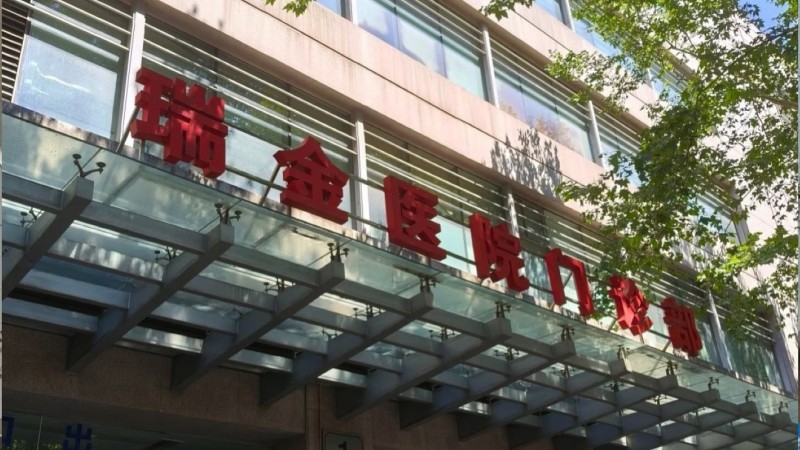
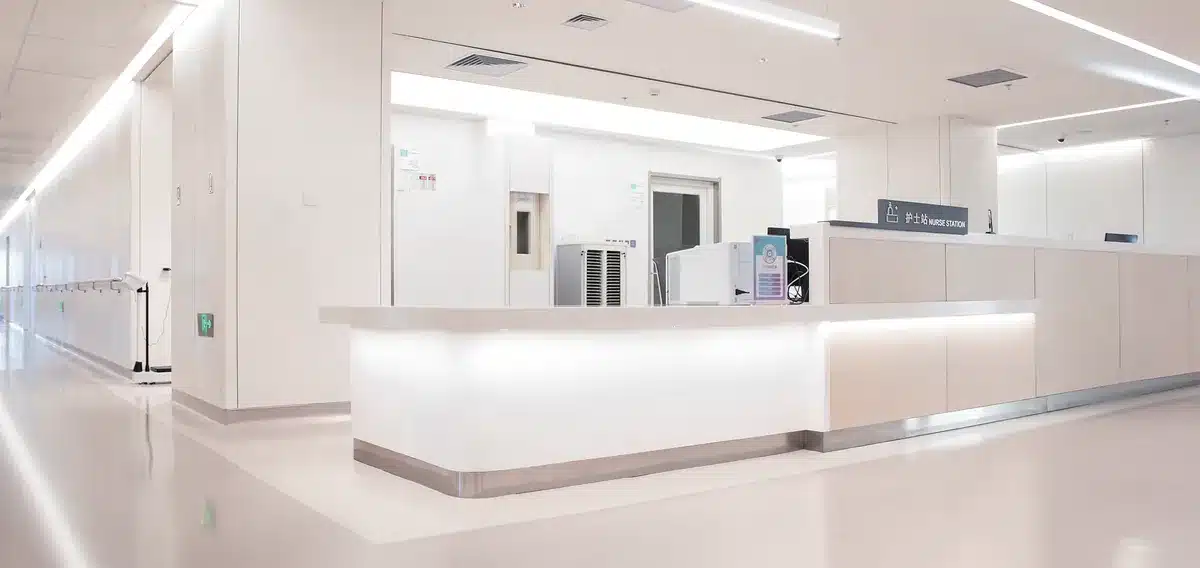
Every hospital in our network has been personally evaluated. We have established working relationships with the international patient departments and medical staff at each centre.
Frequently Asked Questions
Is CAR-T therapy in China safe? Are the products the same quality as in the US?
All 9 NMPA-approved CAR-T products (Axi-cel, Relma-cel, Equecab-cel, Inaticabtagene autoleucel, Zevor-cel, Cilta-cel, Renialeucel, Puzolcabtagene autoleucel, and Satri-cel) are manufactured at GMP-certified facilities under regulatory standards equivalent to FDA GMP requirements. These are not counterfeit or lower-quality versions; they are independently developed and clinically validated products that completed full Phase III trials in China before NMPA approval.
The main risk factor in CAR-T therapy globally is Cytokine Release Syndrome (CRS). Chinese CAR-T centres, particularly high-volume institutions like SYSUCC and Nanfang Hospital, have developed extensive CRS management protocols. In some respects their experience managing complications exceeds many Western centres, simply due to volume.
I've never been treated in China before. What are my real chances of getting into a CAR-T clinical trial?
We want to be direct about this, based on our ongoing communication with hospitals and research teams in China. Participation by international patients is not prohibited in principle, but enrollment into investigator-initiated CAR-T trials is highly selective. Recruitment is typically managed directly by the research team at the public hospital running the trial, and available places are often offered first to patients already receiving care there or referred through domestic clinical networks.
As a result, enrollment by overseas patients with no prior treatment history in China remains relatively uncommon — even when a patient appears medically eligible on paper. Admission is ultimately decided by the investigators and the study protocol, not guaranteed by eligibility alone. If a commercial NMPA-approved product applies to your diagnosis, that pathway is far more predictable. If only a trial pathway fits your case, we will tell you honestly what the realistic odds look like before you commit to anything — including if we believe a trial is unlikely to accept you.
How long does CAR-T therapy take? How long do I need to stay in China?
Plan for a minimum of 4–6 weeks, with 6–8 weeks being more realistic. The breakdown: hospital assessment (3–5 days), leukapheresis and manufacturing wait (7–21 days), bridging therapy if needed (varies), conditioning chemotherapy (2–5 days), infusion (1 day), post-infusion monitoring (14–28 days).
You cannot leave China during the manufacturing period. The hospital needs to monitor your condition and manage disease with bridging therapy if needed. China Care coordinates hospital-adjacent accommodation for patients and caregivers.
Can I get CAR-T therapy in China if I have already had it elsewhere?
It depends on why you are asking. If you relapsed after a previous CAR-T infusion, you may still be eligible for a second product, especially if the first targeted CD19 and a second targets CD22 or BCMA. This is an active area of clinical research in China.
If you want a second infusion with the same product for the same indication, eligibility is more restricted and depends on your T-cell health and disease status. Submit your case and we will review the options honestly, including telling you if China is not the right next step.
What is the difference between China Care's preliminary screening and the hospital specialist consultation?
The preliminary screening is performed by China Care — free of charge. No hospital is involved at this stage. We review your diagnosis, prior treatment lines, and objectives, and identify which pathway (commercial product or clinical trial) may be appropriate. We also identify any missing documents. This is not a medical opinion.
The specialist consultation is a paid medical service at the hospital. China Care coordinates the appointment, prepares your records, arranges translation and an interpreter, and provides a written summary after the consultation. The hospital charges a registration fee. China Care charges a separate coordination fee. The physician's recommendation from the consultation is the authoritative medical determination of eligibility — not China Care's screening.
What documents do I need to submit to start the process?
For the free preliminary screening: (1) latest pathology report confirming diagnosis and subtype, (2) treatment history including prior lines, drugs received, and response/relapse timeline, (3) most recent blood panel and LDH if available. Full medical records are not needed at this stage.
Once the specialist consultation is arranged, the hospital will request a more complete package including imaging reports and bone marrow biopsy results. China Care identifies what is missing and assists with translation of all documents before submission.
Does China Care get paid by the hospitals? How does your fee work?
China Care charges a fixed coordination fee directly to the patient: USD 3,500 for CAR-T or bone marrow transplant coordination; USD 2,000 for other cancer treatment. The preliminary screening is free. The hospital specialist consultation incurs a separate hospital registration fee, which is charged directly by the hospital.
Treatment costs are quoted directly by the hospital and paid directly to the hospital. China Care never adds to, inflates, or marks up those costs. Our recommendation is based on clinical fit. Our coordination fee is the same regardless of which hospital you attend. All fees are disclosed in writing before you commit to anything.
What if the hospital decides I am not eligible after I arrive in China?
This is a real risk and we take it seriously. Before any patient travels, we conduct a pre-screening review of medical records. We will not recommend travel if we believe the hospital is likely to decline. That said, the hospital makes the final eligibility determination on arrival; occasionally a patient's condition changes between submission and arrival.
In those cases, we work with the hospital to identify alternative options: a different product, a clinical trial, or a different treatment modality. We do not leave patients stranded. This is why we remain involved throughout, not just until you arrive.
Can CAR-T therapy in China treat solid tumours?
As of June 2026, yes for one specific indication. On 22 June 2026, China's NMPA approved satricabtagene autoleucel (brand name Kelimei; manufactured by CARsgen Therapeutics, Shanghai) — the world's first commercially approved CAR-T product for a solid tumour. It is indicated for CLDN18.2-positive, HER2-negative advanced gastric or gastroesophageal junction adenocarcinoma in patients who have failed at least two prior lines of treatment. This is a narrow, biomarker-specific approval — not a general solid tumour treatment.
Outside this specific indication, CAR-T for solid tumours remains an active area of clinical trial research in China, with trials targeting lung, liver, and other cancers. Outcomes in these trials are less predictable than for the approved haematological and gastric products. If your solid tumour is CLDN18.2-positive and HER2-negative, ask us to check eligibility for the approved product first, before considering a clinical trial pathway. For other solid tumours, we may also recommend considering other advanced therapies available in China such as TCR-T, NK cell therapy, or neoantigen vaccine programmes.
Do I need a medical visa? I am from Canada / Germany / Singapore / Brazil.
Yes, regardless of nationality. International patients seeking treatment in China require an S2 medical visa for stays under 180 days — the standard visa for most CAR-T treatment visits — or an S1 visa for longer-term treatment programmes. Both require an official hospital invitation letter.
The official invitation letter can only be issued by the licensed Chinese hospital treating you, on hospital letterhead with an official stamp — China Care cannot issue this document, but we coordinate with the hospital to secure it and guide you through the rest of the application. Requirements are similar for Canadian, German, Singaporean, and Brazilian passport holders; processing times vary by embassy. See our complete medical visa guide for 2026 for step-by-step instructions.
Start Your Free Preliminary Screening
Send us your diagnosis and treatment history. China Care reviews your case, explains which pathway may be appropriate, and answers your questions — free of charge and with no obligation. Hospital specialist consultation is arranged separately if you wish to proceed.