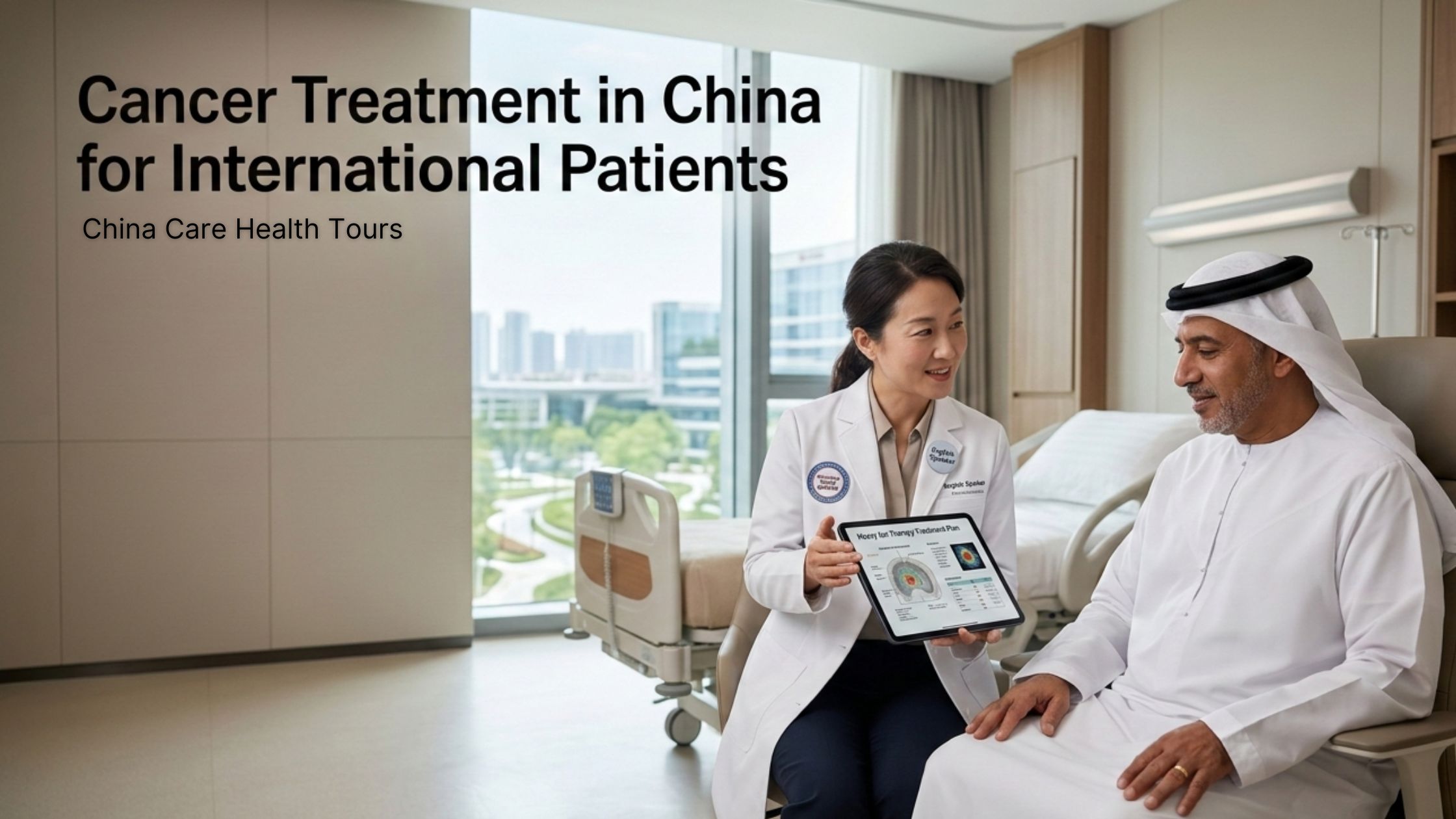
Cancer Treatment in China for Foreign Patients in 2026 offers access to world-leading technologies like Solid Tumor CAR-T, Ivonescimab, and Heavy Ion Therapy at 40–70% lower costs than the US. With a “Dual-Track” regulatory system, international patients can access cutting-edge clinical trials and advanced immunotherapies years before Western approval.
Table of Contents
The 2026 Landscape: Why China is the New Frontier in Oncology
For decades, the flow of medical tourism for cancer was one-way: East to West. In 2026, that trend has reversed. Driven by a massive surge in biotechnology investment and the world’s highest volume of oncology clinical trials, China has moved from a “fast follower” to a global leader in precision medicine.
For an international patient, the decision to seek treatment in China is no longer just about saving money—it is about accessing “The China Gap”: the window of time between a breakthrough discovery in a Chinese lab and its eventual (and often more expensive) approval by the US FDA or European EMA.
1. Breakthrough Technologies You Can Access in 2026
China’s oncology strengths are concentrated in three “Super-Categories” that are currently outperforming global benchmarks in terms of availability and speed.
A. CAR-T Cell Therapy for Solid Tumors
While the West remains focused largely on blood cancers, CAR-T therapy in China has broken the barrier for solid tumors.
- Satri-cel (CT041): As of early 2026, this is the world’s first CAR-T therapy for solid tumors (specifically Gastric and Pancreatic cancer) to enter the final commercialization stages.
- FasTCAR Technology: China’s FasTCAR platform, developed by Gracell Biotechnologies, significantly compresses CAR-T manufacturing time. Conventional Western manufacturing typically requires 4–6 weeks; FasTCAR reduces this to as little as 7–14 days — a critical advantage for patients with rapidly progressing disease who cannot wait for a lengthy production cycle.
- Cost Advantage: Commercial CAR-T in China averages $120,000–$250,000USD total (including all hospital fees, infusion, and a standard monitoring period) —compared to $1,000,000+ in the United States, where the drug cost alone typically exceeds $370,000 before hospital charges.
B. Next-Gen Immunotherapy: Ivonescimab (AK112)
In 2026, Ivonescimab has become the “Gold Standard” for first-line lung cancer treatment in China.
- What it is: A bispecific antibody that targets both PD-1 and VEGF, effectively “starving” the tumor of blood while simultaneously re-activating the immune system.
- The Results: Recent 2026 data shows Ivonescimab reduces the risk of disease progression by over 50% in EGFR-resistant non-small cell lung cancer (NSCLC).
C. Heavy Ion & Proton Therapy
China now operates the world’s most cost-effective Carbon Ion centers.
- Precision: Heavy ion therapy is 3x more powerful at killing cancer cells than traditional X-rays, with pinpoint accuracy that spares healthy tissue.
- Cost: A full course in Shanghai or Gansu averages $45,000 (310,000 RMB), whereas similar treatments in the West can exceed $150,000.
2. Cost Comparison: China vs. USA (2026 Estimates)
| Treatment Type | Estimated Cost in USA | Estimated Cost in China | Savings |
| Commercial CAR-T (Total) | $1,000,000+ | $180,000 – $250,000 | ~75% |
| Heavy Ion Therapy | $150,000+ | $45,000 | ~70% |
| Robotic Surgery (Da Vinci) | $25,000 – $40,000 | $12,000 – $18,000 | ~55% |
| PD-1 Immunotherapy (Year) | $150,000+ | $15,000 – $30,000 | ~85% |
| PET-CT Scan | $3,000 – $6,000 | $1,000 – $1,400 | ~70% |
3. Top Hospitals for International Cancer Patients
When searching for “Cancer Treatment in China for Foreign Patients,” you must prioritize Grade 3A hospitals with dedicated International Medical Centers (IMC). These wings offer English-speaking staff, Western-style amenities, and direct billing for international insurance. For a curated ranking of the top hospitals by city and cancer type, see Best CAR-T Cell Therapy Hospitals in China.
1. Shanghai: The Precision Hub
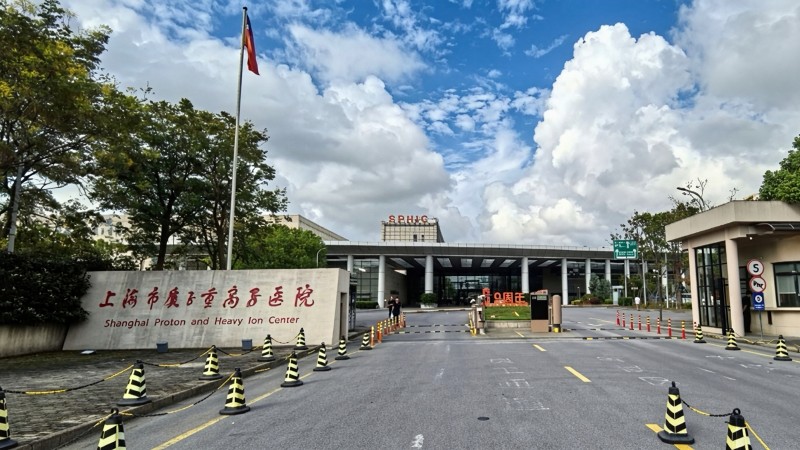
- Shanghai Proton and Heavy Ion Center (SPHIC): The premier destination for advanced radiotherapy.
- Fudan University Shanghai Cancer Center: World-renowned for “Fudan Subtyping” in breast cancer and complex GI oncology.
- Shanghai Jiahui International Hospital: Partnered with Massachusetts General Hospital, offering a familiar Western clinical environment.
2. Beijing: The National Authority
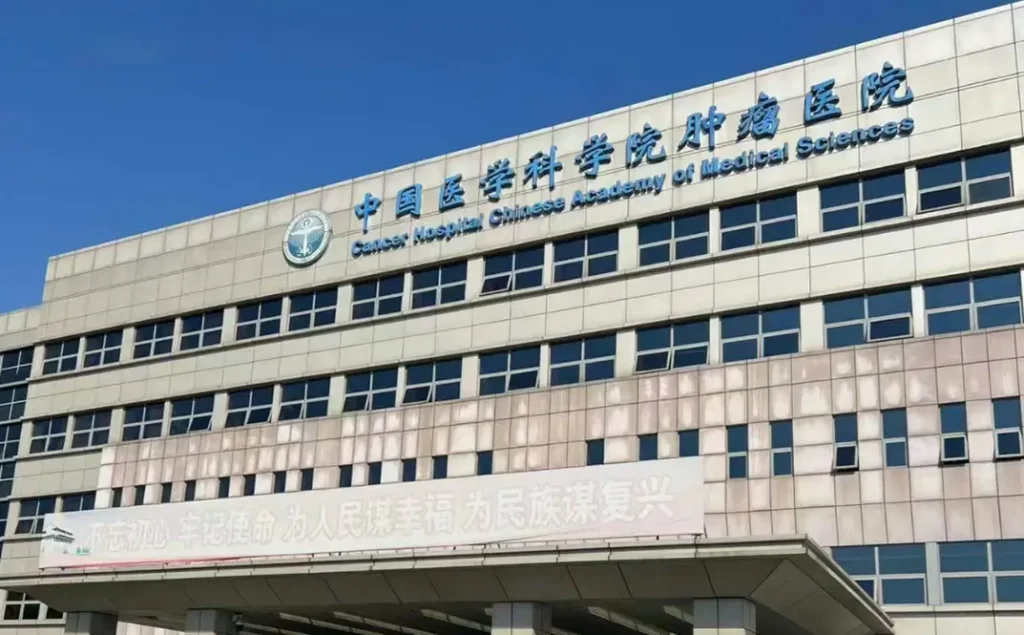
- Cancer Hospital Chinese Academy of Medical Sciences: The highest-ranked cancer center in China, leading in lung and esophageal research.
- Peking University Cancer Hospital: A leader in melanoma, lymphoma, and gastric cancer immunotherapy.
3. Guangzhou: The Innovation Gateway
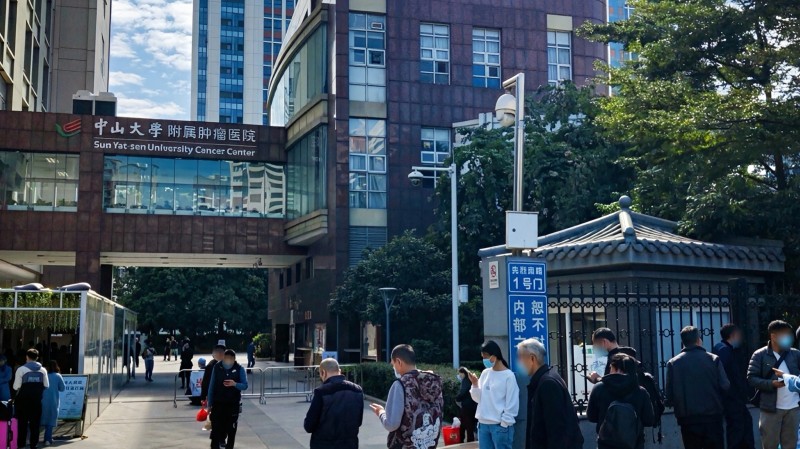
- Sun Yat-sen University Cancer Center (SYSUCC): Globally recognized for Nasopharyngeal (head and neck) cancer protocols.
- Fuda Cancer Hospital: Specialized in minimally invasive “Cryo-NanoKnife” ablation for inoperable tumors.
4. The “Hainan Shortcut”: Early Access to Global Drugs
If a drug is approved in the US but not yet in mainland China, patients go to the Boao Lecheng International Medical Tourism Pilot Zone in Hainan.
- Special Status: This zone allows the use of FDA/EMA-approved drugs and devices before they receive full Chinese NMPA approval.
- 2026 Update: Over 500 innovative medicines are now available here, and international insurance (like AXA) now offers direct-billing in this zone.
5. Practical Logistics: Visas & Planning
The Medical Visa (S2)
To enter for treatment, you will need an S2 Visa. Our complete 2026 Medical Visa Guide covers every step including the invitation letter, financial proof, and timeline.
- The Invitation: You must have an official invitation letter from a recognized Grade 3A hospital’s International Department.
- Financial Proof: Evidence of at least $10,000 – $15,000 USD in a bank account to cover initial costs.
- Duration: S2 visas typically allow for 90–180 days and can be converted to a “Medical Stay Permit” if treatment (like CAR-T) requires a longer duration.
Digital Essentials for 2026
- Payments: Download Alipay or WeChat Pay. China is virtually cashless; these apps now allow you to link foreign Visa/Mastercards easily.
- Records: Ensure all your biopsy slides and imaging (DICOM format) are uploaded to a cloud service. Chinese oncologists often provide a “Digital Second Opinion” within 48 hours.
6. Checklist: Is China Right for You?
- [ ] Have you exhausted standard-of-care options in your home country?
- [ ] Are you looking for specific “China-first” therapies (e.g., Solid Tumor CAR-T)?
- [ ] Do you have a caregiver who can travel with you for 2–3 months?
- [ ] Is your diagnosis among China’s “Strength Areas” (Lung, Liver, Gastric, Esophageal, or Nasopharyngeal)?
FAQs
Q1: Is cancer treatment in China safe for foreign patients?
A: Yes. Major oncology centers in Tier-1 cities like Shanghai, Beijing, and Guangzhou are JCI-accredited and follow international Good Clinical Practice (GCP) guidelines. In 2026, these hospitals utilize the same advanced diagnostic equipment (PET-CT, Da Vinci Robotics) found in top Western institutions, often with much higher case volumes.
Q2: How much does CAR-T therapy cost in China in 2026?
A: Commercial CAR-T therapy in China costs $120,000–$250,000USD in total (drug, infusion, and standard inpatient monitoring). In the US and Europe, the equivalent ranges from $370,000 to over $1,000,000. Clinical trial access, where available, can reduce costs significantly —sometimes to $30,000–$80,000for eligible patients covering hospitalisation only.
Q3: Can I get a medical visa for China without a local agency?
A: While possible, it is difficult. Most embassies require an official medical invitation letter from a Grade 3A hospital. A specialized medical concierge or the hospital’s international department usually handles this. You will need a valid passport, proof of diagnosis, and financial statements showing at least $10,000–$15,000 USD.
Q4: Does China offer CAR-T for solid tumors like gastric or liver cancer?
A: Yes. China is currently a world leader in clinical trials for solid tumor CAR-T. As of 2026, therapies targeting GPC3 (liver) and Claudin18.2 (gastric/pancreatic) are available through specialized trials and early-access programs at major centers like Fudan University and SYSUCC.