In 2026, the Proton Therapy cost in China typically ranges from $30,000 to $50,000, while the Carbon Ion Therapy cost in China averages $45,000 to $60,000 for a full course. Compared to the USA, where costs often exceed $120,000, China offers a 60–70% saving on advanced particle therapy.
Understanding the Technology: Why Particle Therapy?
Traditional X-ray radiation passes through the body, affecting healthy tissue. In contrast, particle therapy uses the “Bragg Peak” effect to deliver energy precisely at the tumor site.
- Proton Therapy: Ideal for pediatric cases and tumors near the spine or brain.
- Carbon Ion Therapy: Known as the “Heavy Artillery,” it is 3x more biologically effective than protons, making it the gold standard for radioresistant tumors like pancreatic cancer and sarcomas. While rare in the USA, China has become a global leader in this field.
2026 Cost Comparison Table: China vs. USA
The financial gap is significant. In the US, Carbon Ion therapy is largely restricted to expensive clinical trials, whereas in China, it is a standardized clinical option at facilities like the Shanghai Proton and Heavy Ion Center (SPHIC).
| Treatment Category | China (All-Inclusive Est.) | USA (Est. Total) |
| Proton Therapy Cost | $30,000 – $55,000 | $100,000 – $150,000+ |
| Carbon Ion Therapy Cost | $45,000 – $60,000 | Limited/Experimental |
| Diagnostic (PET-CT) | $1,200 – $1,800 | $5,000 – $8,000 |
| Daily Inpatient Care | Included in Package | $2,000 – $5,000 (extra) |
You may like: CAR-T Cell Therapy Cost in China vs USA: 2026 Comparison Guide
Top Particle Therapy Centers in China
China currently operates several world-class facilities equipped with German and domestically developed ion technology.
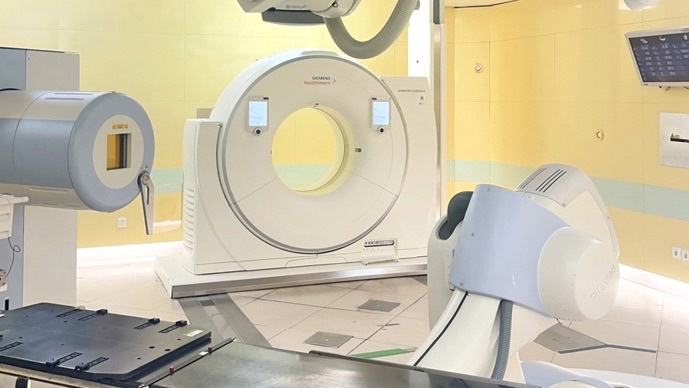
- Shanghai Proton and Heavy Ion Center (SPHIC): The most experienced center for international patients, offering Siemens-integrated technology.
- Wuwei Heavy Ion Center: Known for utilizing China’s domestic HIMM technology, providing the most competitive Carbon Ion Therapy cost in China.
- Hefei Ion Medical Center: A newer facility focusing on ultra-precise proton delivery for brain and neck tumors.
The Timeline: What to Expect
For international patients, the journey usually lasts 6 to 8 weeks:
- Week 1: Simulation, molding (immobilization), and 3D treatment planning.
- Weeks 2–6: Daily “fractions” (treatment sessions). Each session takes about 20–30 minutes.
- Week 7: Final evaluation and recovery before flying home.
Why is the Cost Lower in China?
It is a common misconception that lower cost means lower quality. The Proton Therapy cost in China is more affordable due to:
- Government Price Caps: Public hospitals are strictly regulated to ensure patient access.
- High Volume: Chinese centers treat more patients per year, lowering the operational cost per person.
- Domestic Innovation: The rise of locally manufactured accelerators (like the Lanzhou-developed HIMM) has removed the “import tax” on medical technology.
Connect with a Local Guide via WhatsApp 💬
Navigating a foreign medical system while fighting a serious illness is a burden no one should carry alone. While the hospitals set the final treatment costs, we are here to ensure you reach those doors with honesty, dignity, and care.
How we support your journey:
- Hospital Matching: We help you identify which Beijing or Shanghai centers specialize in your specific condition.
- Logistics & Language: We bridge the communication gap, helping you understand the 2026 S2 Visa process and local hospital requirements.
- The Warmth of a Local Guide: From your arrival to your discharge, we ensure you are treated as a person, not just a patient number.
Frequently Asked Questions
1. Is Carbon Ion Therapy for pancreatic cancer available in China?
Yes. China is a global leader in treating pancreatic cancer with Carbon Ion Therapy, primarily at the Shanghai Proton and Heavy Ion Center (SPHIC) and the Wuwei Heavy Ion Center. In 2026, these centers utilize advanced “pencil-beam scanning” to target pancreatic tumors that are often considered inoperable or resistant to traditional radiation.
2. Which is the cheapest Proton Therapy option for international patients?
The Wuwei Heavy Ion Center in Gansu province typically offers the most competitive rates. Because they utilize the HIMM system—the first Carbon Ion therapy system developed domestically in China—they can maintain lower operational costs compared to centers using imported European or American equipment.
3. What is the SPHIC Shanghai treatment cost in 2026?
While costs vary based on the number of “fractions” (sessions) required, a standard course of treatment at SPHIC generally falls between $45,000 and $60,000 USD. This package usually covers the high-tech radiation treatment, specialized nursing care, and the required inpatient stay.
4. How long does the S2 Medical Visa for cancer treatment in China take?
The 2026 processing time for an S2 Medical Visa is typically 7 to 14 business days once you have received the official “Medical Invitation Letter” from your chosen Chinese hospital. We recommend starting the document verification process at least three weeks before your intended travel date.
5. Can international patients access clinical trials for rare tumors in Beijing?
Absolutely. Centers like Peking University Cancer Hospital frequently host clinical trials for Proton and Carbon Ion therapy, especially for rare sarcomas and solid tumors. These trials can sometimes reduce the overall proton & carbon ion therapy cost in China, though eligibility criteria are strictly managed by the hospital’s research board.