Stem Cell Therapy in China — 2026 Navigation Guide

Navigate China’s
Regenerative Medicine
System with Confidence

China runs more stem cell clinical trials than any other country — but not every patient qualifies for every pathway. China Care helps international patients understand whether approved therapies, registered clinical trials, or Boao Lecheng programmes may be appropriate before travelling to China.

This is a navigation service, not a medical opinion. Only qualified physicians at accredited hospitals can determine your eligibility.
1,200+
Registered stem cell trials on ChiCTR
3
Distinct treatment pathways — each with different rules
4
NMPA-approved cell therapy products
59
Countries with visa-free entry to Hainan
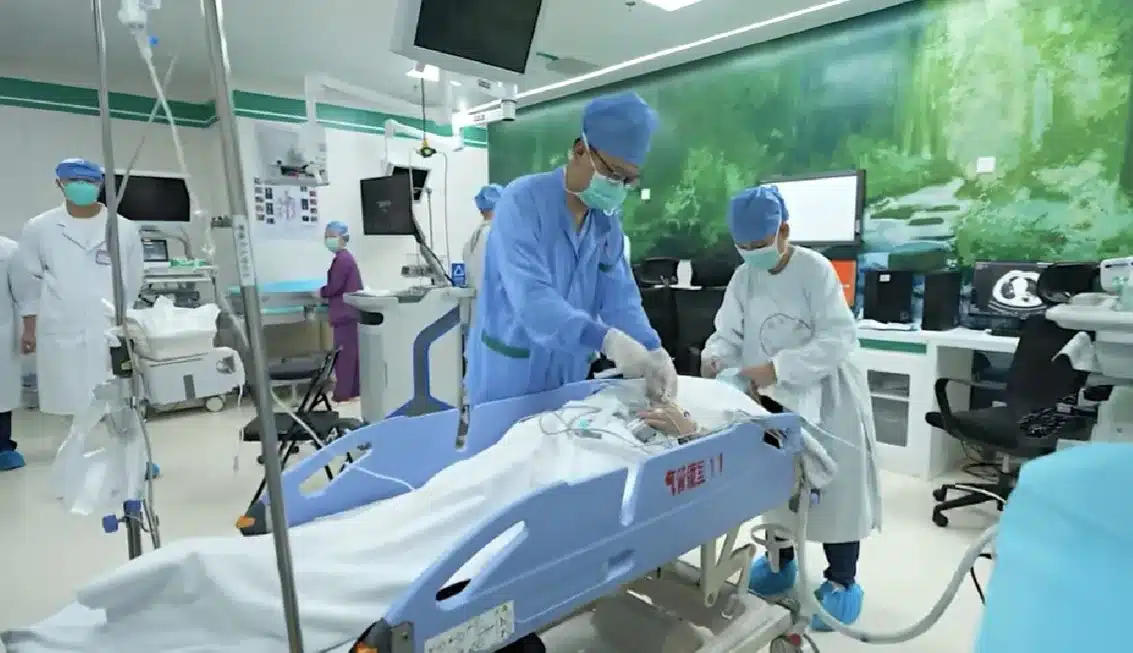
Medical team administering stem cell therapy at a Grade 3A hospital in China — stem cell treatment China
Grade 3A Facility
Clinical-standard treatment environment
Understanding Your Options

Three Pathways, Very Different Rules

“Stem cell therapy in China” is not one thing. It covers three completely separate pathways — each with different eligibility criteria, regulatory frameworks, cost structures, and timelines. Choosing the wrong pathway wastes time and money. Understanding the difference is where we start.
01
Approved Treatments
Haematopoietic Stem Cell Transplantation (HSCT) and NMPA-approved CAR-T products are standard clinical care at accredited Grade 3A hospitals across China. Suitable for patients requiring established, evidence-based cell therapies for blood cancers and bone marrow failure. No special access required — these are routine medical procedures.
02
Registered Clinical Trials
MSC therapy for autoimmune diseases, neurological conditions, COPD, and diabetes is available only through hospitals conducting registered ChiCTR clinical trials. Enrollment depends on strict inclusion criteria set by the trial protocol. There is no guarantee of acceptance. Trial costs are often subsidised or free. Your data contributes to the science.
03
Boao Lecheng Special Medical Zone
Certain innovative regenerative medicine protocols — including MSC programmes for diabetes, autoimmune disease, and cellular ageing — are available within Boao Lecheng under China’s special medical zone policy. This pathway allows physician-directed access to treatments not yet fully approved on the mainland. Availability changes over time. Eligibility is determined by physicians at the facility, not by China Care.
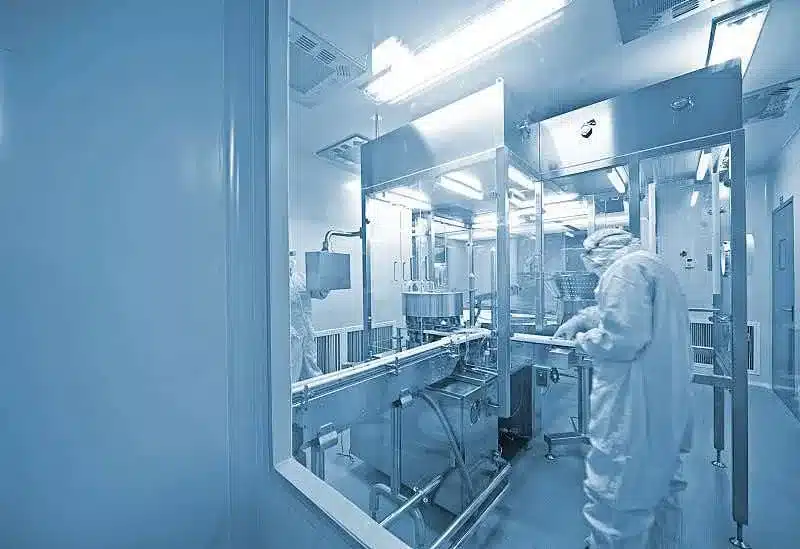
GMP cleanroom facility for stem cell manufacturing at a Chinese biopharmaceutical centre — cell therapy production China
GMP-grade cleanroom used for MSC and CAR-T cell manufacturing at a licensed Chinese facility

On regulatory transparency: China’s NMPA has approved nine commercial CAR-T products as of July 2026 — eight for haematological malignancies, plus satricabtagene autoleucel, the world’s first approved CAR-T for a solid tumour (CLDN18.2-positive gastric cancer). MSC therapies for non-cancer indications are in advanced clinical trial phases but do not yet hold commercial mainland approval. The Boao Lecheng special zone creates a legally distinct pathway for supervised access under ongoing NMPA oversight.

Which Pathway Might Apply to You?

The right pathway depends on your diagnosis, treatment history, and objectives — and in some cases, on which trials happen to be enrolling at the time you enquire. China Care’s Free Initial Guidance helps you understand the landscape before committing to a trip.

Free Initial Guidance is free. It is not a medical opinion. It is a navigation assessment to help you ask the right questions at the right hospitals.

Explore Your Options
Side-by-Side Comparison

Which Pathway Is Right for You?

Use this table as an orientation tool, not a diagnosis. Your actual pathway depends on eligibility assessment by qualified physicians.

Approved Treatment Clinical Trial Boao Lecheng
Purpose Standard clinical care for established indications Research participation; advance the science Supervised access to innovative protocols before full approval
Suitable patients Blood cancers, bone marrow failure requiring HSCT or CAR-T Autoimmune, neurological, metabolic, lung disease patients meeting trial criteria Diabetes, autoimmune disease, COPD, anti-aging patients who do not qualify for trials or prefer paid access
Hospital type Grade 3A public hospitals nationwide Hospitals actively enrolling on ChiCTR registry Licensed facilities within Boao Lecheng Special Medical Zone, Hainan
Estimated cost USD 30,000–150,000 (HSCT or CAR-T) Often subsidised or free; some cost-sharing models USD 15,000–40,000 depending on protocol and duration
Waiting time Weeks — subject to bed availability and pre-treatment workup Variable — depends on trial enrollment status Typically 2–6 weeks from eligibility confirmation
Eligibility Medical suitability assessed by treating physician Strict inclusion/exclusion criteria per trial protocol; no guarantee of acceptance Determined by facility physicians; availability of specific protocols changes over time
Travel duration 4–8 weeks typical (pre-treatment + treatment + early recovery) Varies by trial protocol; often 2–4 weeks minimum 5–14 days for most programmes; wellness protocols shorter

All figures are indicative. Actual eligibility, cost, and timelines are confirmed by hospital specialists only. China Care's Free Initial Guidance helps identify which pathway to explore — it is not a medical determination.

Not sure which of these three pathways fits your situation? China Care’s Free Initial Guidance helps you understand the landscape before you travel.
Explore Your Options
Conditions & Pathways

Who Travels to China for Stem Cell Therapy

Each condition maps to a different regulatory pathway. Click through for in-depth guides on evidence, eligibility, and access.

Boao Lecheng — Pathway 3
Anti-Aging & Longevity
MSC + exosome + NAD+ combination programmes targeting the hallmarks of ageing. Available at Boao Lecheng for healthy individuals aged 45–70. USD 15,000–40,000 versus USD 50,000–100,000 at Swiss longevity clinics. Observational data only; no large controlled trial evidence yet.
Full guide: Anti-aging programmes →
📈
Boao Lecheng — Pathway 3
Type 2 Diabetes
MSC infusion for metabolic restoration. A 2021 systematic review found average HbA1c reductions of 1.2–2.1% across randomised trials. Available at Boao Lecheng for patients who do not meet clinical trial criteria. Eligibility confirmed by facility physicians.
Full guide: Stem cells for diabetes →
🌿
Clinical Trial — Pathway 2
Autoimmune Disease
MSC therapy for Crohn’s disease, lupus, rheumatoid arthritis, multiple sclerosis, and graft-versus-host disease. Available via registered ChiCTR trials at leading institutions including Ruijin and Tongji. Enrollment subject to inclusion criteria; no guarantee of acceptance.
Explore your options →
🌀
Clinical Trial — Pathway 2
Neurological Conditions
Neural stem cell trials for Parkinson’s disease, ALS, and spinal cord injury are active across Chinese academic centres. China runs more active ALS and Parkinson’s trials than any other country. Evidence is early-stage globally. Patients must hold realistic expectations. Case-by-case assessment required.
Explore your options →
🏭
Clinical Trial — Pathway 2
COPD & Lung Disease
MSC therapy for chronic obstructive pulmonary disease targets airway inflammation via paracrine signalling. Chinese Phase II trials at Tongji Hospital (Wuhan) have reported FEV1 and 6-minute walk distance improvements. Available via registered ChiCTR trials; enrollment subject to trial criteria.
Explore your options →
💌
Clinical Trial — Pathway 2
Organ & Tissue Repair
MSC protocols for liver cirrhosis, heart failure, knee osteoarthritis, and diabetic nephropathy are in active Chinese trials. Liver and cardiac applications have the strongest published data outside of HSCT. Available through registered trials at Grade 3A centres; subject to inclusion criteria.
Explore your options →
Pathway 3 — Boao Lecheng Special Zone

China’s Only Medical Special Zone

Established by State Council mandate in 2013 and significantly expanded under the “Nine National Policies” framework, Boao Lecheng is a 20 km² medical pilot zone in Hainan where the rules are fundamentally different from mainland China.

Specific protocols available at any given time change as facilities update their programmes. Eligibility for any programme is determined solely by the physicians at each facility — not by China Care.

Imported therapies before NMPA approval: Hospitals in the zone can use cell therapy products approved in the US, EU, Japan, or Australia — legally — before those products complete China’s domestic approval process, which typically adds 3–7 years.
Zero-tariff import: Medical devices and biological products enter the zone duty-free, reducing infrastructure and supply costs — one reason programme pricing is lower than equivalent facilities in Japan or South Korea.
International patient infrastructure: Dedicated international patient departments, English-speaking clinical teams, and direct flight access from Singapore, Kuala Lumpur, Bangkok, and Hong Kong (2–3 hours).
NMPA oversight maintained: The zone is not a regulatory loophole. Facilities operate under ongoing NMPA and Hainan provincial health authority supervision. The difference is access timeline, not safety standards.
Stem cell therapy vials on production line at Boao Lecheng medical zone facility — MSC therapy China
Clinical-grade cell therapy products prepared at a Boao Lecheng licensed facility
20km²
Zone area — dedicated international medical infrastructure
59
Countries with visa-free entry to Hainan for up to 30 days
2013
Year established by State Council mandate
3–7yrs
Regulatory time saved vs. standard NMPA mainland approval
Interested in Boao Lecheng but unsure which programmes are currently available? China Care checks current availability as part of Free Initial Guidance.
WhatsApp Us
Our Process

How Our Guidance Works

China Care's Free Initial Guidance helps you understand which pathway may be worth exploring — before you book flights or commit to a hospital. This is not a medical opinion. It is a navigation assessment.

01
Upload Your Records
Share your medical records via our contact form or WhatsApp — in any language. Include your diagnosis, treatment history, and what you are hoping to achieve. No full file required at this stage; a summary and recent reports are sufficient to begin.
Any language
02
Free
Free Initial Guidance
Our team reviews your records and checks against known pathway criteria. Free Initial Guidance usually begins within one business day of receiving your materials.
  • Diagnosis and medical history reviewed
  • Treatment goals assessed
  • Missing documents identified
  • Possible treatment pathway outlined
  • Honest assessment of whether China is likely appropriate
This is a navigation assessment, not a medical opinion. Only qualified physicians can determine your eligibility for any specific treatment or trial.
1Business day typical
03
Paid — if you proceed
Specialist Consultation Coordination
If Free Initial Guidance identifies a pathway worth pursuing, China Care coordinates your access to the relevant specialist. Hospital specialist consultation depends on appointment availability — advance booking is typically required.
  • Hospital appointment booking
  • Medical record translation and preparation
  • Offline specialist consultation arranged
  • Interpreter on-site
  • Written consultation summary provided
Hospital registration fee is charged separately by the hospital. China Care coordination fee applies. Treatment fees are quoted directly by the hospital — payment is made directly to the hospital.
VariesBy appointment
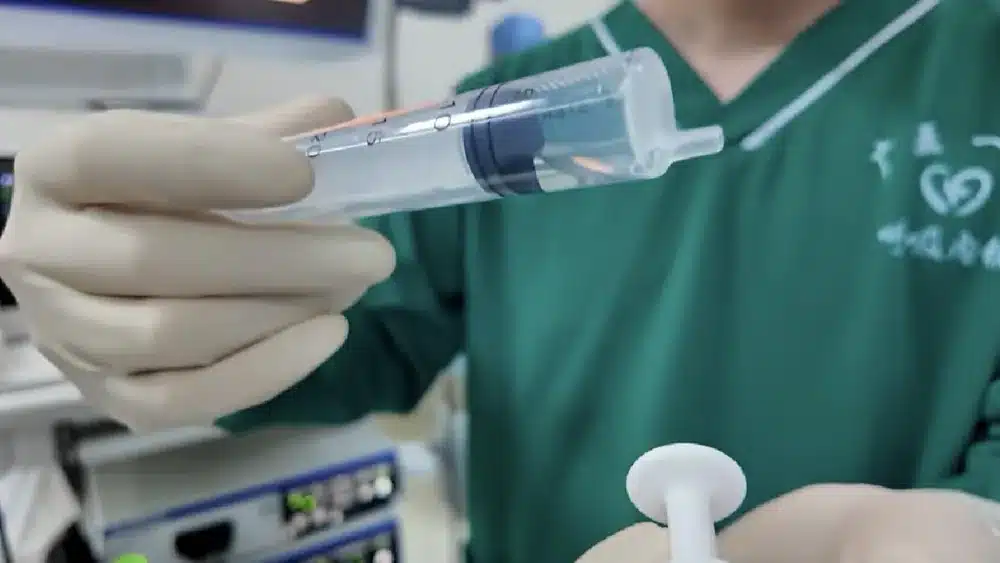
Chinese physician preparing stem cell therapy administration — MSC infusion procedure at Grade 3A hospital
Physician-directed MSC infusion preparation at a licensed Chinese clinical facility. Every programme China Care coordinates operates within registered trial or Boao Lecheng frameworks.
Why It Matters

Why Specialist Consultation Matters

China’s leading regenerative medicine specialists are based primarily at major public Grade 3A hospitals — not private clinics. Getting to the right physician, at the right hospital, with properly prepared records, makes a significant difference to the quality of the consultation.

Appointments require advance booking. Top departments at Ruijin, Tongji, and CAMS often have waiting lists. Walk-in appointments for international patients are rarely possible for specialist care.
Many departments see hundreds of patients daily. Without a prepared one-page Chinese-language record summary, a 10-minute consultation can be lost to translation delays and document confusion.
Trial enrollment windows are narrow. For clinical trials, timing matters — a trial accepting patients this month may close enrollment next month. Knowing which trials are enrolling now is part of what China Care’s network provides.
Boao Lecheng programme availability changes. Not every facility offers every protocol at every time. China Care checks current availability before recommending a visit.
What China Care Coordinates
Appointment booking at the relevant hospital department
Translation of all medical records into Chinese
One-page Chinese-language patient summary for the physician
Interpreter present at the consultation
On-site assistance throughout your hospital visit
Written English-language summary of the consultation outcome
Our Role

What China Care Does

China Care is a navigation and coordination service. We are not a stem cell clinic, laboratory, or treatment provider. Here is exactly what we do on your behalf.

🔎
Medical Navigation
We help you understand which of the three treatment pathways — approved therapy, clinical trial, or Boao Lecheng — may be worth exploring based on your diagnosis and goals. This is orientation, not medical advice.
🌏
Medical Translation
We translate your full medical record into Chinese and prepare a one-page physician summary. We translate the specialist’s feedback, recommendations, and treatment proposals back into English.
📅
Hospital Appointment Booking
We book your appointment with the relevant specialist department at accredited hospitals. For popular departments, advance booking is essential — we use our existing relationships to minimise delays.
👨‍⚕️
Specialist Consultation Coordination
We prepare your records, arrange your interpreter, attend key appointments, and ensure the consultation is productive. You receive a written English-language summary of what the physician said.
✈️
Travel Coordination
We manage your medical visa documentation, airport transfers, accommodation near the facility, and any logistical issues during your stay. For Hainan travel, most nationalities qualify for visa-free entry.
📋
Treatment Coordination
Once a treatment plan is agreed with your physician, we coordinate the logistics of your treatment stay and follow-up schedule. Payment for treatment is made directly to the hospital. China Care never handles hospital treatment payments.
Understanding Costs — 2026

What You Will Actually Pay

Costs for treatment in China involve several separate components. These are never combined into a single package. Each is quoted or charged independently.

China Care
Coordination Fee
USD 2,000 for cancer treatment coordination. USD 3,500 for CAR-T or bone marrow transplant coordination. A separate coordination fee applies to specialist consultation arrangements. Quoted upfront, no hidden charges.
Hospital
Consultation & Registration
The hospital charges a registration fee and specialist consultation fee directly. These are set by the hospital, not China Care, and vary by institution and department. Quoted when the appointment is confirmed.
Treatment / Travel
Treatment, Accommodation & Flights
Treatment fees are quoted directly by the hospital and paid directly to the hospital. China Care never marks up, inflates, or combines these costs. Accommodation and flights are arranged separately and quoted independently.

Transparency principle: Treatment costs are quoted directly by the hospital. China Care never adds to, inflates, or marks up the hospital’s quoted treatment cost. Payment for treatment is made directly to the hospital. China Care’s coordination fee and the hospital’s treatment fee are always shown separately.

Treatment Cost Reference — 2026 Estimates

Indicative figures for planning. Actual costs quoted by the hospital after specialist consultation.

Treatment / Programme China (hospital quoted) USA / Switzerland Pathway
HSCT — allogeneic (blood cancer) $30,000–$80,000 $300K–$900K (US) Approved treatment
BCMA CAR-T — multiple myeloma $80,000–$150,000 $465K–$600K (US) Approved treatment
MSC therapy — Type 2 diabetes (Boao Lecheng) $15,000–$35,000 $40K–$80K (Switzerland) Boao Lecheng
MSC therapy — autoimmune disease (trial) Subsidised or free Not commercially available Clinical trial
Anti-aging MSC + exosome programme (5–7 days) $15,000–$40,000 $50K–$100K (Swiss clinics) Boao Lecheng
GPRC5D CAR-T — myeloma (post-BCMA failure) $50,000–$100,000 Not yet commercially available Clinical trial

Figures are USD estimates for planning purposes (2026). All treatment costs are quoted directly by the hospital. China Care coordination fee is separate and quoted in advance. Accommodation and flights are not included.

Want a clearer picture of what your specific situation might cost? Start with Free Initial Guidance — we outline the likely pathway and indicative costs before anything is booked.
Explore Your Options
Frequently Asked Questions

Questions We Hear Every Week

Is stem cell therapy legal in China? +
It depends entirely on the type and setting. HSCT for blood cancers is standard approved medicine. CAR-T therapy has four NMPA-approved products for haematological malignancies. MSC therapy for conditions like diabetes and autoimmune disease is available either within registered clinical trials (legal and tracked on ChiCTR) or at Boao Lecheng under the zone’s special regulatory framework (also legal, under NMPA oversight). Unregistered clinics offering stem cell infusions outside of trials or the Boao zone exist in a grey area — and we do not work with them. Every programme China Care coordinates operates within one of these three legitimate pathways.
What is the difference between a clinical trial and the Boao Lecheng programme? +
In a registered ChiCTR clinical trial, you are a research participant. The trial covers most or all treatment costs, but you must meet specific eligibility criteria and follow the protocol exactly. Your data contributes to the science. In a Boao Lecheng zone programme, you are a paying patient receiving a supervised medical protocol under the zone’s special import and use regulations. You have more flexibility, the programme can be personalised, and you pay for it — but it is physician-directed and conducted at a licensed facility with full informed consent. Both are legitimate. Which is appropriate depends on your condition, eligibility, and objectives.
How does Free Initial Guidance work? +
You submit your records and a brief description of your condition and goals via our contact form or WhatsApp. China Care reviews your situation against known pathway criteria — which trials are enrolling, which Boao Lecheng protocols are currently available, and whether your diagnosis falls within the scope of what Chinese hospitals handle well. We typically begin within one business day of receiving your materials. The output is an honest assessment of which pathway (if any) may be worth exploring, what the likely next steps are, and whether we recommend proceeding. This is not a medical opinion. Only qualified physicians at accredited hospitals can determine your eligibility for any treatment.
Do I need a medical visa for Hainan / Boao Lecheng? +
Hainan Province operates its own visa policies, separate from mainland China. Citizens of 59 countries — including the US, UK, Canada, Australia, and Singapore — currently qualify for visa-free entry to Hainan for up to 30 days. For other nationalities, or for patients travelling to mainland hospitals (Beijing, Shanghai, Guangzhou), a medical visa (M-visa) is required. China Care manages the full medical visa application process, including the hospital invitation letter. Full details are in our China medical visa guide.
What does China Care charge? How does the fee structure work? +
China Care charges a fixed coordination fee — USD 2,000 for cancer treatment coordination and USD 3,500 for CAR-T or bone marrow transplant coordination. A coordination fee also applies to specialist consultation arrangements (quoted separately). Free Initial Guidance is free. Treatment costs are quoted directly by the hospital; China Care never adds to, inflates, or marks up those costs. Payment for treatment is made directly to the hospital. Hospital registration and consultation fees are also charged directly by the hospital. All fees are disclosed clearly before any commitment is made.
Will China Care tell me if treatment in China is not appropriate for my situation? +
Yes. Honest navigation means telling patients when China is unlikely to be the right option — including cases where the evidence does not support the treatment, where a patient’s condition is better managed at home, or where we cannot identify a pathway that fits their situation. We also clearly state that our Free Initial Guidance is not a medical opinion: the final determination of eligibility for any treatment rests with qualified physicians at accredited hospitals, not with China Care. We would rather lose an enquiry than send a patient on a trip that was never going to work.
Start Your Enquiry

Which Stem Cell Pathway Is Right for You?

Free Initial Guidance is free. We review your records, identify which of the three pathways may be worth exploring, and give you an honest assessment — including cases where we recommend against travelling to China.

Zero treatment markup Treatment costs quoted directly by the hospital Fixed coordination fee — no hidden charges Recommended based on clinical fit