
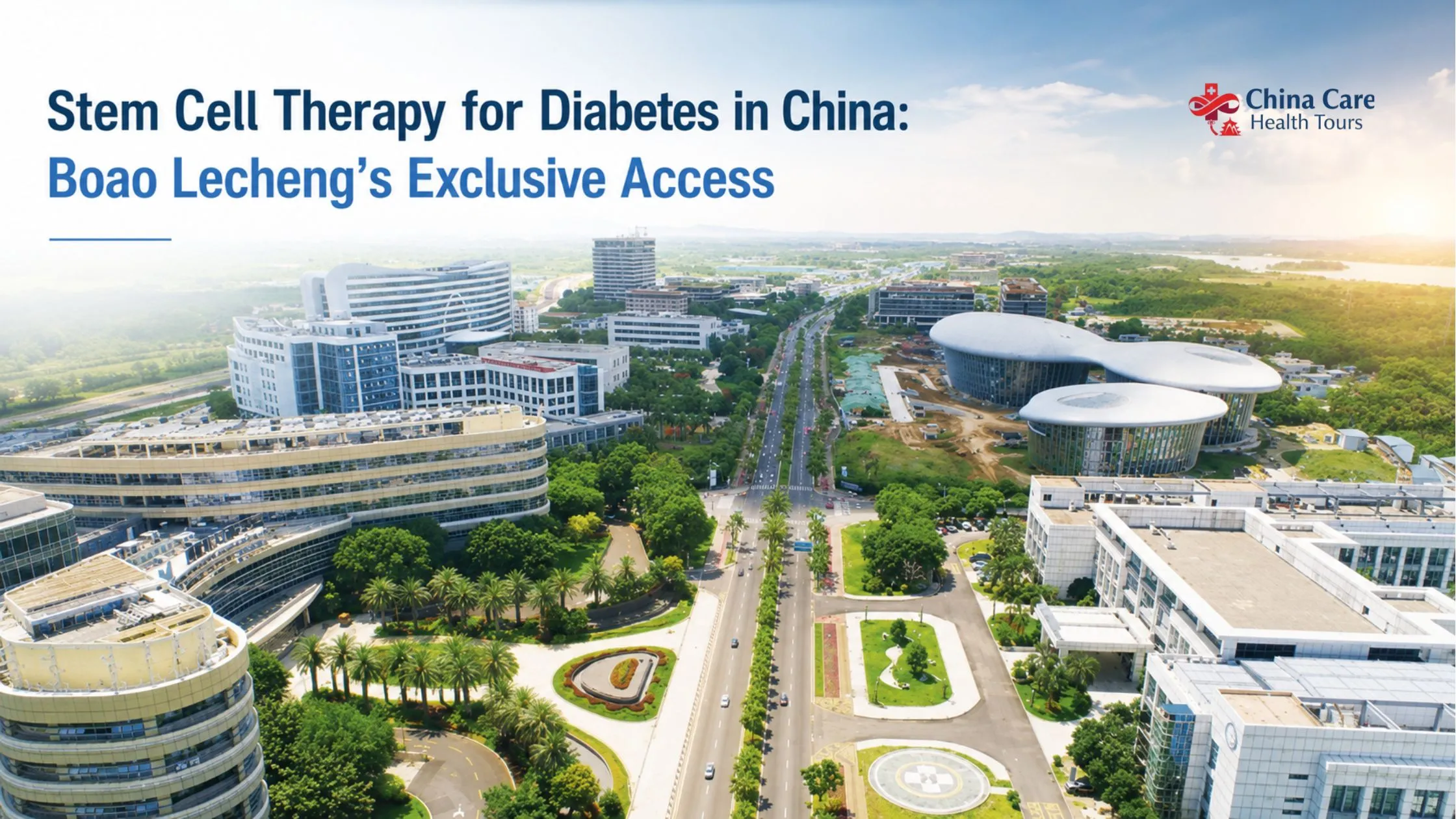
Boao Lecheng International Medical Tourism Pilot Zone in Hainan, China, has authorised a translational clinical application using human umbilical cord mesenchymal stromal cells for selected adults with Type 2 diabetes. This guide explains the published eligibility criteria, body-weight-based public pricing, three-infusion treatment schedule, key limitations and how to request hospital review through China Care Health Tours.
Last Updated: August 2026
Key Facts
- The hospital’s publicly listed three-infusion programme is priced by body-weight band at RMB 174,000—RMB 278,400, before separately listed outpatient, specialist-consultation, accommodation and meal costs.
- The programme is authorised under Lecheng Medical Products Administration notice Le Yi Yao Jian [2025] No. 113 for translational clinical application in Type 2 diabetes.
- Screening is limited to selected adults with Type 2 diabetes who meet requirements including poor glycaemic control despite prior treatment, fasting C-peptide of at least 0.3 ng/mL and hospital safety review.
- The publicly described course consists of three infusions, scheduled approximately 28 days apart, rather than a single 7—14-day treatment course.
- The programme is available through authorised hospitals in the Boao Lecheng Pilot Zone; it is not described as a standard diabetes treatment available throughout China.
Table of Contents
What Is Stem Cell Therapy for Diabetes?
Type 2 diabetes affects over 537 million adults worldwide. Conventional treatment remains the established foundation of diabetes care, including lifestyle management, glucose-lowering medication and complication prevention. Stem-cell approaches are being studied as a possible additional intervention for biological processes linked to insulin resistance, inflammation and impaired beta-cell function, but they do not establish a guaranteed metabolic restoration or cure.
The Boao Lecheng programme described in the public materials uses human umbilical cord mesenchymal stromal cells (MSCs) for selected patients with Type 2 diabetes. MSC-based approaches are being studied for several possible biological effects, but the mechanism and clinical outcome for an individual patient cannot be assumed in advance:
- Immune and inflammatory modulation: MSC-based approaches are being studied for their possible effect on inflammatory pathways associated with insulin resistance.
- Beta-cell function research: Researchers are investigating whether these approaches may support pancreatic beta-cell function; this does not establish beta-cell regeneration in an individual patient.
- Metabolic-function research: Studies explore possible effects on insulin sensitivity and glucose metabolism, alongside—not instead of—standard diabetes care.
- Individual clinical response: The public programme information does not promise a specific HbA1c reduction, medication reduction or insulin discontinuation result.
Multiple published clinical studies are investigating MSC-based approaches for diabetes, but study designs, cell sources, doses, background treatment and follow-up periods vary substantially. Research findings should not be treated as a prediction of benefit for an individual patient or as proof of a routine cure.
For the programme discussed in this guide, the relevant pathway is Boao Lecheng’s authorised translational clinical application framework. The public materials describe this programme as a clinical-transformation application for Type 2 diabetes, rather than as a generally approved diabetes medicine or a standard treatment available throughout China.
Why Boao Lecheng — and Nowhere Else
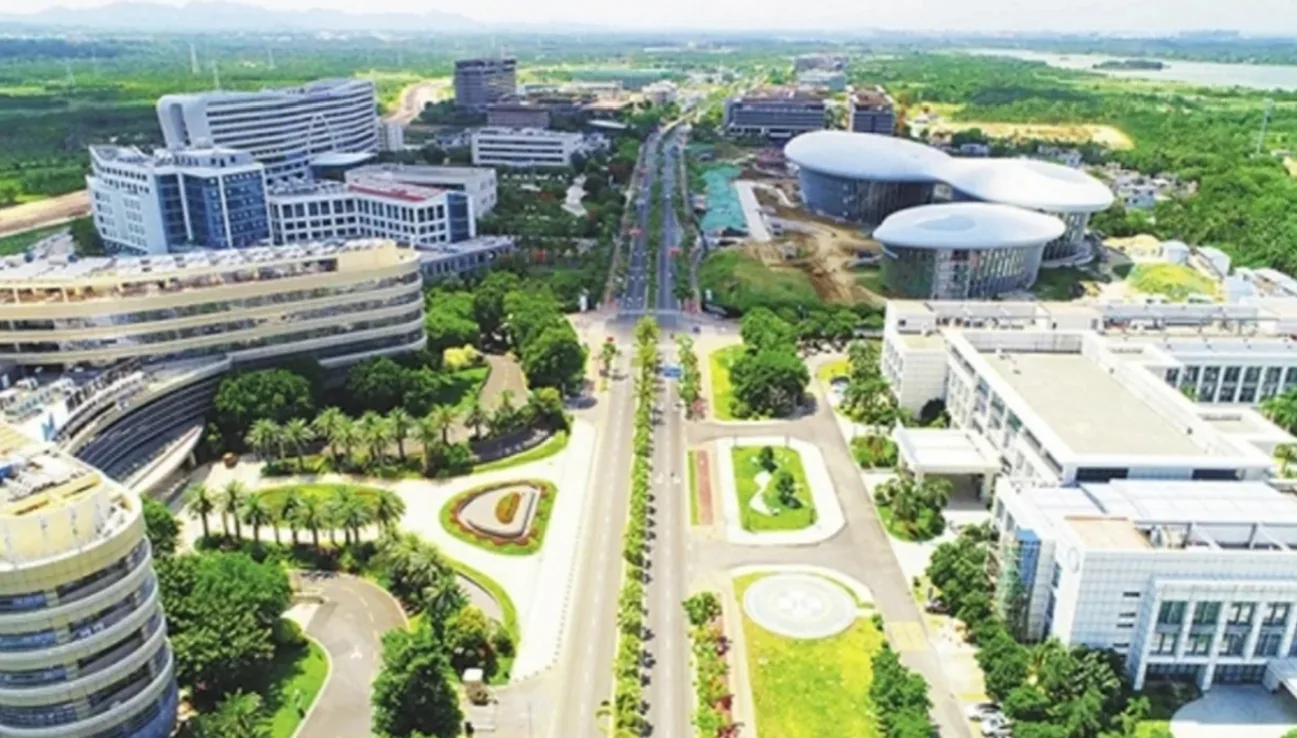
Boao Lecheng International Medical Tourism Pilot Zone is a 20 km² special economic zone in Hainan Province, established in 2013 and governed by a unique set of healthcare regulations that exist nowhere else in mainland China.
Under the “Boao Nine Policies” framework, the zone can support specified forms of medical innovation and authorised clinical application. For the Type 2 diabetes programme described in this guide, the relevant public information indicates that:
- The programme has been authorised for translational clinical application under Lecheng Medical Products Administration notice Le Yi Yao Jian [2025] No. 113.
- The authorised intervention is described as human umbilical cord mesenchymal stromal-cell treatment for selected patients with Type 2 diabetes.
- Only authorised hospitals within the Boao Lecheng Pilot Zone may conduct this specified programme in compliance with the relevant framework.
The public materials describe this Type 2 diabetes programme as available through authorised hospitals in the Boao Lecheng Pilot Zone. It should not be presented as a routine diabetes treatment available at standard clinical facilities elsewhere in China, and patients should confirm the current programme status directly with the treating hospital before making travel arrangements.

For international patients, this creates a specific pathway to request hospital review for an authorised translational clinical programme in Type 2 diabetes. The publicly listed treatment price is available by body-weight band, but patients should assess the programme’s clinical limits, travel requirements, potential risks and total out-of-pocket costs before deciding whether to proceed.
Boao Lecheng can be reached through Hainan’s main airport gateways, including Haikou Meilan International Airport (HAK) and Sanya Phoenix International Airport (SYX). Flight routes, ground transfers, language support and hospital reception arrangements vary by facility, travel date and patient circumstances, so they should be confirmed before travel is booked.
Who Qualifies for Treatment
The authorised Boao Lecheng programme is not suitable for every patient with diabetes. The following published criteria are for hospital screening of Type 2 diabetes and should not be used as a self-diagnosis or self-eligibility tool:
| Criterion | Details |
|---|---|
| Diagnosis | Confirmed Type 2 diabetes according to WHO 2019 diagnostic criteria |
| Prior treatment | Poor glycaemic control despite lifestyle intervention and treatment with multiple glucose-lowering medicines |
| Glucose and HbA1c | Fasting blood glucose ≥7 mmol/L and HbA1c ≥7% and ≤9.5% |
| Age range | 18–80 years old |
| Fasting C-peptide | At least 0.3 ng/mL |
| Informed consent | Able to understand and sign the informed-consent process |
| Safety assessment | Treating physicians review cardiovascular, liver, kidney, infection, cancer and diabetes-complication risks |
| Key exclusions | Includes GADA positivity, severe acute diabetes complications, serious or uncontrolled infection, severe cardiovascular, liver or kidney disease, major uncontrolled complications, pregnancy or breastfeeding, HIV antibody positivity, and other physician-determined safety risks |
Diabetic complications require careful hospital review rather than a blanket assumption of eligibility. The published exclusion criteria include severe or uncontrolled diabetes complications, including specified advanced diabetic retinopathy, as well as severe kidney, liver, cardiovascular and acute metabolic complications.
The most important step before booking is a pre-treatment medical review. China Care coordinates this as part of the intake process: your recent lab results, medical history, and current medications are reviewed by the treating team before any commitment is made.
What to Expect: The Treatment Process
The publicly described Type 2 diabetes course consists of three infusions scheduled approximately 28 days apart. The full treatment cycle should therefore not be described as a single 7–14-day treatment programme, while the hospital determines each patient’s actual visit, observation and travel schedule.
Step 1 — Pre-treatment workup and hospital screening
Before treatment, the hospital reviews the patient’s Type 2 diabetes diagnosis, treatment history, glucose control, fasting C-peptide, age, informed-consent capacity and relevant safety risks. Additional laboratory tests, imaging or specialist assessment are determined by the treating team according to the patient’s medical profile.
Step 2 — Cell preparation and treatment planning
The authorised programme is described as using human umbilical cord mesenchymal stromal cells. The public materials do not support assuming that cells are patient-derived, that a bone-marrow harvest is involved, or that every operational detail is identical across facilities; the treating hospital should explain the cell preparation, dose and administration process before treatment.
Step 3 — Administration schedule
The publicly described standard course consists of three infusions, with each infusion scheduled approximately 28 days apart. The publicly listed cell dose is determined by body-weight band and is strictly implemented according to medical instruction. Route of administration, infusion duration, monitoring and observation requirements must be confirmed by the treating hospital for the individual patient.
Step 4 — Observation, discharge and follow-up
The publicly listed three-infusion programme includes three months of follow-up and health-management support. Observation, discharge timing, glucose monitoring, laboratory follow-up and the format of communication with the treating team are determined by the hospital according to the patient’s condition and the final treatment plan.
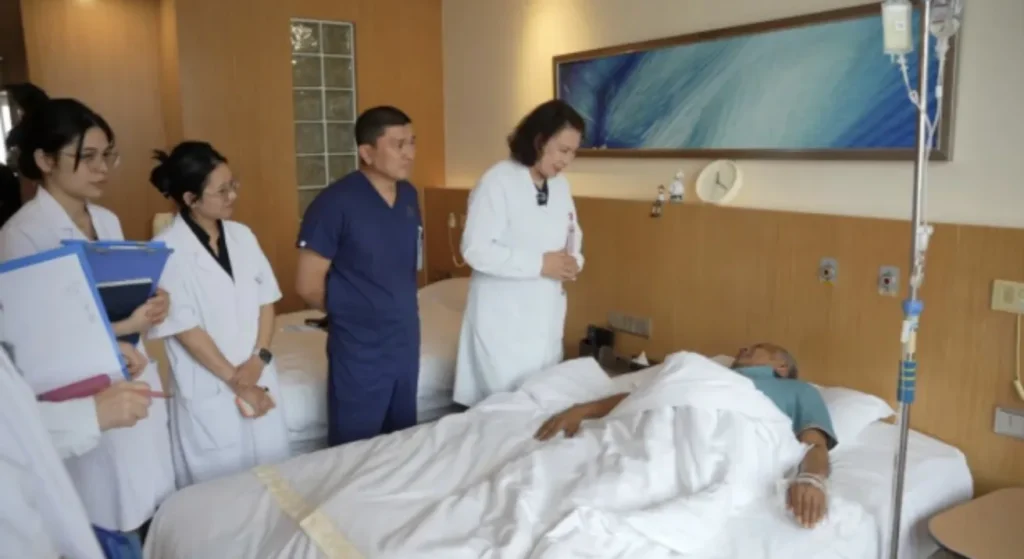
China Care provides a dedicated patient coordinator throughout the entire process — from pre-departure document preparation to in-facility translation, accommodation, and post-discharge follow-up coordination.
Results: What the Evidence Shows
The evidence base for MSC-based approaches in Type 2 diabetes is still developing, and the hospital’s public programme materials place the intervention in a translational clinical-application context. Key points for patients to understand include:
- The programme materials do not publish a guaranteed HbA1c reduction, medication-reduction rate, insulin-independence rate or individual treatment-success percentage.
- Published MSC studies can differ in diabetes type, cell source, dose, background diabetes medication, comparison group and follow-up duration, so one study result should not be treated as a personal outcome forecast.
- The programme’s screening criteria emphasise Type 2 diabetes classification, poor glycaemic control despite prior treatment, fasting C-peptide of at least 0.3 ng/mL and detailed safety review before treatment.
It is important to be transparent about what the public programme information does not establish: it does not guarantee long-term durability, HbA1c improvement, medication reduction, insulin discontinuation or a cure for Type 2 diabetes. The 2026 programme overview states that the technology remains in a translational clinical-application stage, that outcomes are not 100% certain, that individual response varies, and that treating physicians must explain potential benefits, adverse reactions and other medical risks before treatment.
For patients who have spent years managing a progressive disease with an increasingly heavy medication burden, those are meaningful probabilities.
Cost Comparison: China vs. USA vs. Mexico
Stem cell therapy for diabetes exists in a global grey market. Pricing varies enormously by location, cell source, protocol quality, and regulatory oversight.
| Location | Estimated Cost | Regulatory Status | Notes |
|---|---|---|---|
| Boao Lecheng, China | RMB 174,000–RMB 278,400 for the publicly listed 3-infusion course, by body-weight band | Authorised translational clinical application for Type 2 diabetes | Includes RMB 5,600 diabetes assessment package and 3 months of follow-up health-management support; excludes RMB 16 outpatient fee, RMB 1,000 specialist consultation, accommodation and meals |
| United States | Not commercially available | FDA has not approved MSC therapy for diabetes | Some Phase III trials available — no cost but restricted eligibility |
| Switzerland / Germany | $40,000–$80,000 USD | Varies; some clinics operate under compassionate use | High cost; variable protocol quality |
| Mexico (Tijuana / Monterrey) | $8,000–$20,000 USD | Largely unregulated | No mandatory outcome tracking; variable cell quality |
| Thailand | $12,000–$25,000 USD | Semi-regulated; hospital-dependent | Some accredited centers; variable oversight |
Public pricing source
| Body-weight band | Cell dose per infusion | Public single-treatment fee | Public 3-infusion course price |
|---|---|---|---|
<55 kg | 5 × 10⁷ cells | RMB 58,000 | RMB 174,000 |
<65 kg | 6 × 10⁷ cells | RMB 69,600 | RMB 208,800 |
<75 kg | 7 × 10⁷ cells | RMB 81,200 | RMB 243,600 |
≥75 kg | 8 × 10⁷ cells | RMB 92,800 | RMB 278,400 |
The public schedule states that cell use is strictly determined by medical instruction.
The Boao Lecheng option should be evaluated on its own published authorisation, hospital screening, body-weight-based pricing, treatment schedule and follow-up terms. International comparisons should be made only after confirming the exact provider, protocol, regulatory route, total cost and evidence base in each location.
For patients considering medical tourism in China more broadly, costs vary substantially by diagnosis, hospital, treatment type, medical complexity, travel needs and the services included in a quoted plan.
How to Access Treatment as an International Patient
Step 1 — Initial inquiry
Contact China Care Health Tours with your basic medical history, current diabetes medications, and most recent HbA1c result. This takes 5 minutes and costs nothing.
Step 2 — Medical record review
We can help organise the transfer of relevant medical records for hospital review. The treating hospital determines whether the patient may proceed to formal assessment, what additional information is required, whether a written response is available and the timeframe for a preliminary treatment discussion.
Step 3 — Visa and travel arrangement
We can help organise the transfer of relevant medical records for hospital review. The treating hospital determines whether the patient may proceed to formal assessment, what additional information is required, whether a written response is available and the timeframe for a preliminary treatment discussion.
Step 4 — Arrival and treatment
Our coordinator meets you on arrival in Hainan. All appointments, translations, and intra-facility logistics are managed by China Care throughout your stay.
Step 5 — Post-treatment follow-up
The publicly listed programme includes three months of follow-up and health-management support. The treating hospital determines the required follow-up tests, timing, communication method and whether any results can be reviewed after the patient returns home.
Frequently Asked Questions
Is this Type 2 diabetes stem-cell programme legal in China?
The programme described in this guide has been authorised by the Lecheng Medical Products Administration for translational clinical application in Type 2 diabetes. It is not presented as a generally approved diabetes medicine or a standard treatment available throughout China. The hospital should confirm the current authorisation and programme status before any treatment decision.
How long do the results last?
The public programme information does not establish a guaranteed duration of benefit for an individual patient. It states that the technology remains in a translational clinical-application stage, that outcomes vary between individuals and that treating physicians should explain expected benefits, potential adverse reactions and medical risks before treatment.
Will I be able to stop diabetes medication or insulin after treatment?
The public programme materials do not promise medication reduction, insulin discontinuation or diabetes reversal. Patients should not change prescribed diabetes medication unless their own treating physician gives clear medical instructions based on ongoing monitoring.
What are the risks?
The 2026 programme overview states that treatment outcomes are not 100% certain, that individual response varies and that medical risks may occur. Before treatment, the treating hospital should explain the anticipated benefit, possible adverse reactions, observation requirements and other foreseeable or uncontrollable medical risks for the individual patient.
Can I combine this programme with other health services at Boao Lecheng?
Any additional assessment, screening, consultation or treatment must be considered separately by the treating hospital. A patient should not assume that another procedure can be combined with this programme without a physician’s review of clinical suitability, scheduling and safety.
How much does a consultation cost?
The publicly listed programme price excludes an outpatient fee of RMB 16, an expert consultation fee of RMB 1,000, accommodation and meal costs. Whether a formal pre-treatment review, additional testing or specialist consultation is required—and what it costs—must be confirmed by the treating hospital before booking.
What if I am not eligible?
If the treating hospital determines that the programme is not appropriate, China Care can discuss other information or coordination pathways relevant to the patient’s needs, including conventional hospital care in China. This does not replace medical advice from the patient’s treating physicians.
Start Your Consultation
Boao Lecheng has an authorised translational clinical programme for selected adults with Type 2 diabetes using human umbilical cord mesenchymal stromal cells. It is not a guaranteed cure, and hospital review is required to assess whether the programme, schedule, risks and total out-of-pocket cost are appropriate for an individual patient.
The first step takes five minutes.
Learn More About Medical Tourism in China →
References
- Wikipedia. “Type 2 Diabetes.” Wikipedia, the Free Encyclopedia. https://en.wikipedia.org/wiki/Type_2_diabetes
- ClinicalTrials.gov. Search: “stem cell diabetes.” U.S. National Library of Medicine. https://clinicaltrials.gov/search?term=stem+cell+diabetes
- Multiple authors. “Mesenchymal Stem Cell Infusion in Type 2 Diabetes: Systematic Review.” Stem Cell Reviews and Reports, 2021. (Reported average HbA1c reduction of 1.2—2.1% across randomized trials.)
- Boao Lecheng International Medical Tourism Pilot Zone. “Overview of 58 Frontier Biomedical New Technologies.” July 2026 edition, p. 9: Type 2 diabetes programme, hospital, public pricing and three-infusion schedule.
- Lecheng Medical Products Administration. Le Yi Yao Jian [2025] No. 113. Approval for translational clinical application of human umbilical cord mesenchymal stromal-cell treatment technology for Type 2 diabetes; and hospital public price schedule for Type 2 diabetes stem-cell treatment.
- China Care Health Tours. “Cancer Treatment in China.” https://chinacarehealthtours.com/cancer-treatment-in-china/
- China Care Health Tours. “How to Get a Medical Visa for China: A Complete 2026 Guide.” https://chinacarehealthtours.com/how-to-get-a-medical-visa-for-china-a-complete-2026-guide/