Navigate China’s
Regenerative Medicine
System with Confidence
China runs more stem cell clinical trials than any other country — but not every patient qualifies for every pathway. China Care helps international patients understand whether approved therapies, registered clinical trials, or Boao Lecheng programmes may be appropriate before travelling to China.
This is a navigation service, not a medical opinion. Only qualified physicians at accredited hospitals can determine your eligibility.
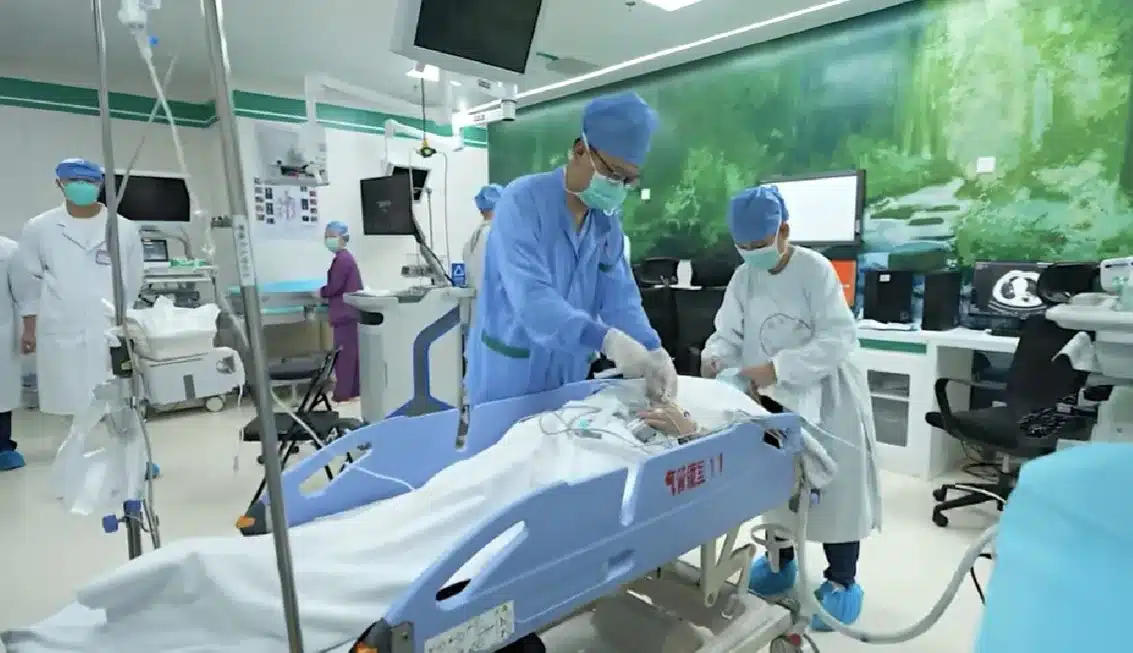
Three Pathways, Very Different Rules
“Stem cell therapy in China” is not one thing. It covers three completely separate pathways — each with different eligibility criteria, regulatory frameworks, cost structures, and timelines. Choosing the wrong pathway wastes time and money. Understanding the difference is where we start.
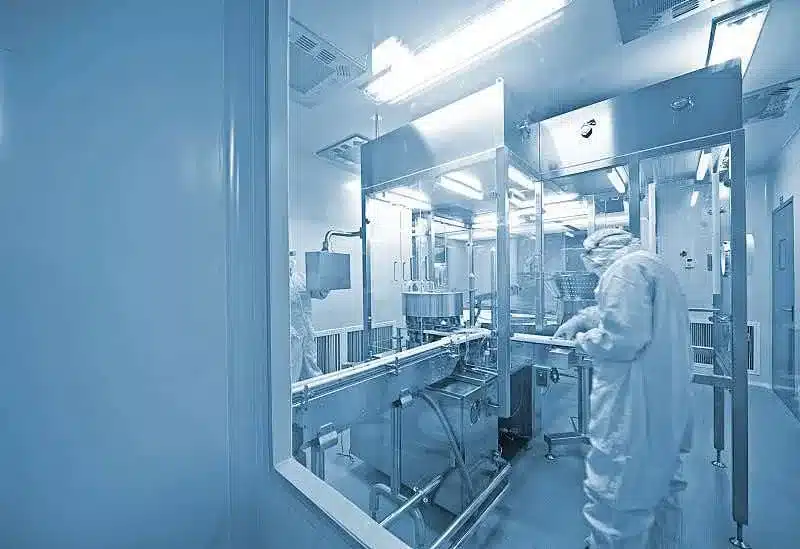
On regulatory transparency: China’s NMPA has approved nine commercial CAR-T products as of July 2026 — eight for haematological malignancies, plus satricabtagene autoleucel, the world’s first approved CAR-T for a solid tumour (CLDN18.2-positive gastric cancer). MSC therapies for non-cancer indications are in advanced clinical trial phases but do not yet hold commercial mainland approval. The Boao Lecheng special zone creates a legally distinct pathway for supervised access under ongoing NMPA oversight.
The right pathway depends on your diagnosis, treatment history, and objectives — and in some cases, on which trials happen to be enrolling at the time you enquire. China Care’s preliminary screening helps you understand the landscape before committing to a trip.
Preliminary screening is free. It is not a medical opinion. It is a navigation assessment to help you ask the right questions at the right hospitals.
Explore Stem Cell OptionsWhich Pathway Is Right for You?
Use this table as an orientation tool, not a diagnosis. Your actual pathway depends on eligibility assessment by qualified physicians.
| Approved Treatment | Clinical Trial | Boao Lecheng | |
|---|---|---|---|
| Purpose | Standard clinical care for established indications | Research participation; advance the science | Supervised access to innovative protocols before full approval |
| Suitable patients | Blood cancers, bone marrow failure requiring HSCT or CAR-T | Autoimmune, neurological, metabolic, lung disease patients meeting trial criteria | Diabetes, autoimmune disease, COPD, anti-aging patients who do not qualify for trials or prefer paid access |
| Hospital type | Grade 3A public hospitals nationwide | Hospitals actively enrolling on ChiCTR registry | Licensed facilities within Boao Lecheng Special Medical Zone, Hainan |
| Estimated cost | USD 30,000–150,000 (HSCT or CAR-T) | Often subsidised or free; some cost-sharing models | USD 15,000–40,000 depending on protocol and duration |
| Waiting time | Weeks — subject to bed availability and pre-treatment workup | Variable — depends on trial enrollment status | Typically 2–6 weeks from eligibility confirmation |
| Eligibility | Medical suitability assessed by treating physician | Strict inclusion/exclusion criteria per trial protocol; no guarantee of acceptance | Determined by facility physicians; availability of specific protocols changes over time |
| Travel duration | 4–8 weeks typical (pre-treatment + treatment + early recovery) | Varies by trial protocol; often 2–4 weeks minimum | 5–14 days for most programmes; wellness protocols shorter |
All figures are indicative. Actual eligibility, cost, and timelines are confirmed by hospital specialists only. China Care preliminary screening helps identify which pathway to explore — it is not a medical determination.
Who Travels to China for Stem Cell Therapy
Each condition maps to a different regulatory pathway. Click through for in-depth guides on evidence, eligibility, and access.
China’s Only Medical Special Zone
Established by State Council mandate in 2013 and significantly expanded under the “Nine National Policies” framework, Boao Lecheng is a 20 km² medical pilot zone in Hainan where the rules are fundamentally different from mainland China.
Specific protocols available at any given time change as facilities update their programmes. Eligibility for any programme is determined solely by the physicians at each facility — not by China Care.

How Our Screening Works
China Care preliminary screening helps you understand which pathway may be worth exploring — before you book flights or commit to a hospital. This is not a medical opinion. It is a navigation assessment.
- Diagnosis and medical history reviewed
- Treatment goals assessed
- Missing documents identified
- Possible treatment pathway outlined
- Honest assessment of whether China is likely appropriate
- Hospital appointment booking
- Medical record translation and preparation
- Offline specialist consultation arranged
- Interpreter on-site
- Written consultation summary provided
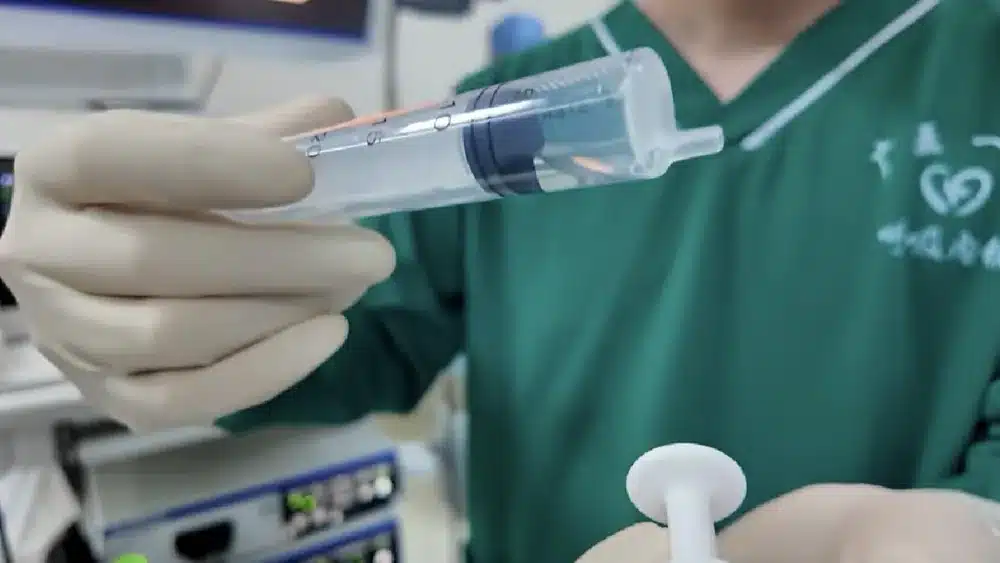
Why Specialist Consultation Matters
China’s leading regenerative medicine specialists are based primarily at major public Grade 3A hospitals — not private clinics. Getting to the right physician, at the right hospital, with properly prepared records, makes a significant difference to the quality of the consultation.
What China Care Does
China Care is a navigation and coordination service. We are not a stem cell clinic, laboratory, or treatment provider. Here is exactly what we do on your behalf.
What You Will Actually Pay
Costs for treatment in China involve several separate components. These are never combined into a single package. Each is quoted or charged independently.
Transparency principle: Treatment costs are quoted directly by the hospital. China Care never adds to, inflates, or marks up the hospital’s quoted treatment cost. Payment for treatment is made directly to the hospital. China Care’s coordination fee and the hospital’s treatment fee are always shown separately.
Treatment Cost Reference — 2026 Estimates
Indicative figures for planning. Actual costs quoted by the hospital after specialist consultation.
| Treatment / Programme | China (hospital quoted) | USA / Switzerland | Pathway |
|---|---|---|---|
| HSCT — allogeneic (blood cancer) | $30,000–$80,000 | $300K–$900K (US) | Approved treatment |
| BCMA CAR-T — multiple myeloma | $80,000–$150,000 | $465K–$600K (US) | Approved treatment |
| MSC therapy — Type 2 diabetes (Boao Lecheng) | $15,000–$35,000 | $40K–$80K (Switzerland) | Boao Lecheng |
| MSC therapy — autoimmune disease (trial) | Subsidised or free | Not commercially available | Clinical trial |
| Anti-aging MSC + exosome programme (5–7 days) | $15,000–$40,000 | $50K–$100K (Swiss clinics) | Boao Lecheng |
| GPRC5D CAR-T — myeloma (post-BCMA failure) | $50,000–$100,000 | Not yet commercially available | Clinical trial |
Figures are USD estimates for planning purposes (2026). All treatment costs are quoted directly by the hospital. China Care coordination fee is separate and quoted in advance. Accommodation and flights are not included.
Go Deeper on Your Situation
Each guide covers the clinical evidence, pathway options, eligibility criteria, cost breakdown, and how China Care coordinates access — written for patients and families, not clinicians.
Questions We Hear Every Week
Is stem cell therapy legal in China?
What is the difference between a clinical trial and the Boao Lecheng programme?
How does the preliminary screening work?
Do I need a medical visa for Hainan / Boao Lecheng?
What does China Care charge? How does the fee structure work?
Will China Care tell me if treatment in China is not appropriate for my situation?
Which Stem Cell Pathway Is Right for You?
The preliminary screening is free. We review your records, identify which of the three pathways may be worth exploring, and give you an honest assessment — including cases where we recommend against travelling to China.