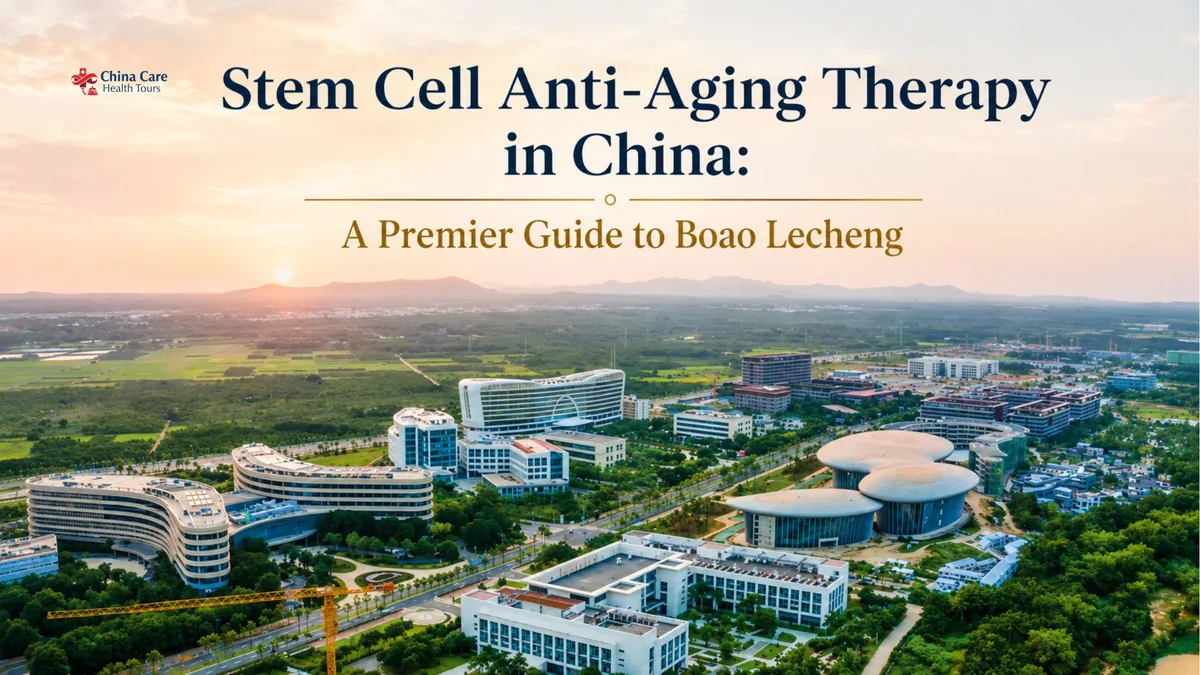
Boao Lecheng, China’s exclusive medical special zone, is emerging as a serious destination for high-net-worth executives pursuing stem cell anti-aging therapy and longevity optimization. Multi-day MSC, exosome, and NAD+ combination programs cost $15,000–$40,000 USD — a fraction of equivalent Swiss or US clinics. This guide explains the science, the programs, and how to access them.
Key Facts
- A full 5—7 day MSC combination program at Boao Lecheng costs $15,000—$40,000, compared to $50,000—$100,000 at Swiss longevity clinics and $40,000—$80,000 at US longevity centers — a 60–75% reduction.
- MSC infusions at Boao Lecheng are typically dosed at 50—200 million allogeneic Wharton’s Jelly-derived MSCs administered intravenously; MSCs reliably reduce markers of systemic inflammation — one of the most replicated findings across dozens of published clinical trials in conditions including osteoarthritis, Crohn’s disease, and GVHD.
- Boao Lecheng is a 20 km² special economic zone under a 2013 State Council mandate; its “Boao Nine Policies” framework allows hospitals in the zone to use cell therapy products approved in the US, EU, Japan, or Australia before NMPA domestic approval.
- A structured program spans 5—7 days; Hainan is a 2—3 hour direct flight from Singapore, Kuala Lumpur, Bangkok, and Hong Kong, with visa-free entry for citizens of 59 countries for up to 30 days.
- Combination programs sequencing NAD+ infusion (Day 2), MSC infusion (Days 3—4), and exosome therapy address multiple hallmarks of aging simultaneously — including mitochondrial dysfunction, cellular senescence, and stem cell exhaustion.
Table of Contents
The Science of Cellular Aging
Aging is not a single process — it is the cumulative result of a dozen interlocking biological failures, each accelerating the others. Understanding what is actually happening inside aging cells is the prerequisite for evaluating any longevity intervention, including stem cell therapy.
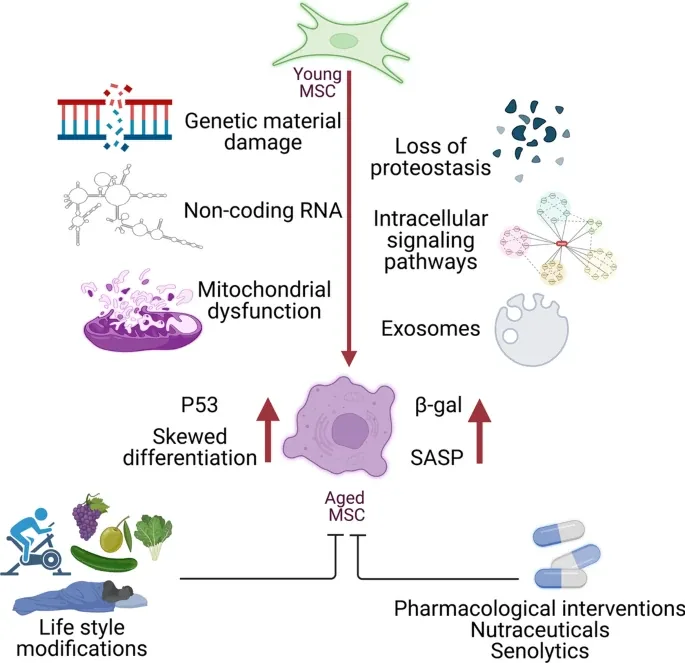
The most comprehensive framework for understanding aging biology is the Hallmarks of Aging, first proposed by López-Otín and colleagues and now accepted as the standard scientific roadmap. The hallmarks include:
- Genomic instability: DNA damage accumulates faster than repair mechanisms can correct it, degrading cellular function over time
- Telomere attrition: The protective caps on chromosomes shorten with each cell division; critically short telomeres trigger cellular senescence or apoptosis
- Epigenetic alterations: Gene expression patterns drift from their youthful state, silencing maintenance genes and activating inflammatory pathways
- Loss of proteostasis: The cellular machinery for folding, repairing, and recycling proteins gradually fails, leading to the accumulation of misfolded proteins associated with neurodegeneration and organ dysfunction
- Deregulated nutrient sensing: Pathways like mTOR, AMPK, and IGF-1 — which govern energy metabolism and cellular maintenance — fall out of calibration
- Mitochondrial dysfunction: Energy production becomes less efficient and more inflammatory; dysfunctional mitochondria release signals that accelerate systemic aging
- Cellular senescence: Damaged cells that should be cleared by the immune system instead persist in a pro-inflammatory state, secreting a toxic mix of cytokines and enzymes known as the SASP (senescence-associated secretory phenotype)
- Stem cell exhaustion: Tissue-resident stem cells — the body’s repair workforce — decline in both number and functional capacity, impairing the regeneration of muscle, bone, skin, and organ tissue
Of these, stem cell exhaustion and cellular senescence are among the most directly targetable through cellular therapies currently available at specialized centers. A 55-year-old executive experiencing cognitive fog, declining physical recovery, chronic fatigue, or reduced immune resilience is likely experiencing the downstream consequences of these biological processes — not simply “getting older.”
The question, then, is whether introducing exogenous stem cells can meaningfully interrupt or reverse any of these processes in living humans. The honest answer — which reputable centers in Boao Lecheng will give you — is: we have compelling mechanistic evidence and promising early clinical data, but this is not yet a proven, standardized medical treatment. It sits squarely in the domain of advanced wellness and longevity optimization.
How Stem Cell Therapy Addresses Aging
The cells used in anti-aging programs at Boao Lecheng are almost universally mesenchymal stem cells (MSCs) — a category of multipotent stromal cells derived most commonly from umbilical cord tissue (Wharton’s Jelly), adipose tissue, or bone marrow.
MSCs used in these programs are typically allogeneic — meaning they come from screened donor sources rather than the patient’s own body. Wharton’s Jelly-derived MSCs are favored for several reasons: they are harvested non-invasively from donated umbilical cords, they are immunologically naive (reducing rejection risk), and they retain a higher proliferative capacity than older autologous sources.
The MSC Secretome: How the Mechanism Works
The early belief was that transplanted MSCs would physically integrate into aging tissues and replace lost cells. Current science is more nuanced — and arguably more interesting.
The primary mechanism appears to be paracrine signaling: MSCs release an extraordinarily rich cocktail of bioactive molecules — collectively called the secretome — that influence the behavior of surrounding cells without requiring direct cell-to-cell contact. This secretome includes:
- Growth factors: VEGF, HGF, IGF-1, and FGF — signaling molecules that stimulate tissue repair, vascularization, and cell survival
- Anti-inflammatory cytokines: IL-10, TGF-β, and PGE2, which suppress the chronic low-grade inflammation (sometimes called “inflammaging”) that drives many age-related conditions
- Exosomes: Nano-sized vesicles packed with proteins, lipids, and RNA molecules that are transferred between cells — essentially delivering biological instructions to recipient tissues
- Antioxidant factors: Molecules that reduce oxidative stress, one of the core drivers of mitochondrial dysfunction and cellular damage
In practical terms, what this means is that a high-quality MSC infusion may create a temporary but significant shift in the cellular environment — reducing inflammation, stimulating dormant repair pathways, supporting mitochondrial function, and potentially clearing some senescent cells via immune modulation.
What it does not do — with current evidence — is permanently reverse aging, extend lifespan in any proven way in humans, or cure any specific disease. Programs at responsible Boao Lecheng clinics are transparent about this distinction. This is preventive biology and health optimization, not disease treatment. It is most comparable to how a serious athlete might use sports medicine: not because something is broken, but because optimal function matters.
The complementary therapies used alongside MSC infusions — exosomes, NAD+ precursors, and comprehensive health screening — each address different nodes in the aging network. Exosome therapy amplifies the paracrine effects of MSC treatment. NAD+ precursor infusions (typically NMN or NR administered intravenously) target the deregulated nutrient-sensing and mitochondrial dysfunction hallmarks. Together, they represent a systems-level approach to cellular rejuvenation that no single intervention can replicate.
Why Boao Lecheng for Anti-Aging Therapy
Boao Lecheng International Medical Tourism Pilot Zone is a 20 km² special economic zone in Hainan Province, established under a 2013 State Council mandate and governed by healthcare regulations that exist nowhere else in mainland China.
Under the “Boao Nine Policies” framework, hospitals within the zone can:
- Use cell therapy products and medical devices approved in the US, EU, Japan, or Australia before those products complete NMPA (China’s national drug regulator) domestic approval
- Offer MSC-based therapies and exosome treatments under supervised clinical protocols
- Import and administer biological products not yet commercially available in mainland China
- Process international patient visas and accept patients for multi-day inpatient programs
This regulatory architecture is why Boao matters for longevity medicine specifically. In the United States, UK, and EU, allogeneic MSC infusions for healthy individuals pursuing anti-aging goals fall into a regulatory gray zone — they are neither approved treatments nor eligible for routine clinical use. In Boao Lecheng, facilities operating within the zone’s pilot framework can offer them legally, under physician supervision, with the full support infrastructure of a premium medical facility.
The zone is not a loophole. It is a deliberately designed platform for medical innovation — analogous to how Hainan’s free trade policies function for commerce. The NMPA maintains oversight, and facilities in the zone operate under strict quality standards. The difference is timeline and access, not safety shortcuts.
For executives based in Southeast Asia, the logistics are also favorable. Hainan is a direct flight from Singapore, Kuala Lumpur, Bangkok, and Hong Kong — typically two to three hours, with no visa requirement for many nationalities under China’s expanding visa-waiver policies. Boao itself is a low-density coastal resort environment: quiet, private, and not the kind of place where a CEO is likely to run into a shareholder.
For patients who want to combine their Boao Lecheng program with a comprehensive health check, the Boao Yiling Life Care Center is located within the same Lecheng zone and offers 4-tier residential health screening packages from RMB 9,800 (300+ items, accommodation included) —meaning a full health assessment can be added to an exosome programme without leaving Hainan. For patients whose itinerary extends to the mainland, China Care also coordinates access to hospitals across China’s major medical centers.
If you are planning a broader medical trip — combining longevity optimization with comprehensive diagnostics or cancer screening — China Care also coordinates access to top-tier hospitals across China and to Guangzhou’s advanced oncology network.
What a Treatment Program Looks Like
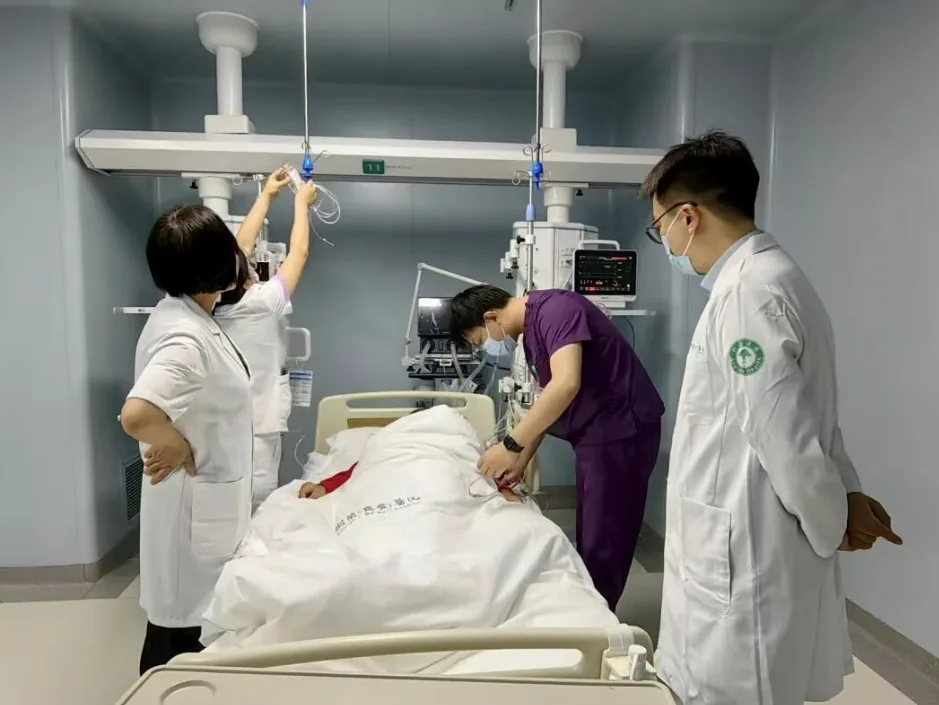
A well-structured anti-aging program at Boao Lecheng is not a single infusion — it is an integrated, physician-directed protocol spanning five to seven days. The sequencing matters: each component builds on the previous one, and the medical team uses your baseline diagnostic data to personalize dosing and timing.
Here is how a representative program is structured:
Day 1: Arrival and Comprehensive Baseline Assessment
All programs begin with a detailed health assessment — not a perfunctory check-in, but a genuine clinical evaluation. This typically includes:
- Full blood panel: CBC, metabolic panel, inflammatory markers (hs-CRP, IL-6, TNF-α), hormone levels (testosterone, estrogen, DHEA, cortisol, growth hormone)
- Telomere length assessment (available at some facilities)
- Biological age assessment via epigenetic methylation panels (available at select centers)
- Cardiovascular risk profile: echo, ABI, carotid IMT
- Advanced metabolic markers: HbA1c, fasting insulin, HOMA-IR, lipid fractionation
- Cognitive screening (MoCA or similar)
- Body composition analysis (DEXA or bioimpedance)
This data establishes your individual cellular and metabolic baseline — and informs which combination of therapies is most appropriate. It also gives you a meaningful before-and-after comparison point, which matters for evaluating whether the program delivered measurable benefit.
If you have previously undergone our executive health screening in China or our comprehensive health screening for foreigners, your prior data can be incorporated into this baseline.
Day 2: NAD+ Infusion and Preparation
On day two, most programs begin with a high-dose intravenous NAD+ precursor infusion — either NMN or NR, administered slowly over four to six hours to minimize side effects. This phase serves two purposes: it begins addressing mitochondrial function and nutrient-sensing dysregulation, and it prepares the cellular environment to be more receptive to the MSC infusion that follows.
Some patients experience a noticeable improvement in energy and mental clarity within 24–48 hours of NAD+ infusion. Others notice little immediately. Individual response varies considerably.
Day 3–4: MSC Infusion and Exosome Administration
The centerpiece of the program. MSC infusions are administered intravenously, typically in doses ranging from 50 million to 200 million cells depending on body weight, health status, and program tier. Some programs include targeted delivery — for example, intra-articular injection for joint-specific concerns, or nebulized exosomes for respiratory optimization.
Exosome IV therapy is frequently administered on the day following MSC infusion, taking advantage of the inflammatory shift already initiated by the MSC secretome. Exosome preparations at Boao Lecheng’s leading facilities are derived from MSC cultures and contain concentrated signaling vesicles without the full cell payload — making them appropriate for patients with specific sensitivities or for whom a second full cell infusion is not indicated.
Post-infusion monitoring is standard: vital signs, inflammatory markers, and a brief observation period. Serious adverse events with properly screened allogeneic MSCs are rare, but facilities maintain ICU-capable infrastructure as a precaution.
Day 5–6: Recovery, Nutritional IV Optimization, and Secondary Therapies
Recovery days typically include:
- Peptide therapy (BPC-157, TB-500, or similar tissue-repair peptides — where available and appropriate)
- High-dose IV vitamin C and glutathione
- Hyperbaric oxygen therapy (HBOT) — available at most Boao Lecheng facilities, 90-minute sessions
- Personalized nutritional and supplement protocol based on Day 1 bloodwork
- Sleep optimization consultation
- Lymphatic drainage and functional medicine support
Day 7: Discharge Assessment and Follow-Up Protocol
A repeat panel of key inflammatory and metabolic markers is drawn at discharge. This gives the medical team an early signal of acute response and provides you with a comparative dataset. A structured follow-up protocol — repeat bloodwork at 30, 60, and 90 days — is provided as part of most programs. China Care facilitates remote consultation with the treating physician during your follow-up window.
What the Evidence Shows
Intellectual honesty matters more in longevity medicine than in almost any other field — because the gap between what is biologically plausible and what is proven in large human trials remains significant.
Here is an accurate summary of where the science stands:
What the evidence supports:
- MSCs reliably reduce markers of systemic inflammation in human subjects — this is one of the most replicated findings in clinical MSC research, with dozens of published trials across conditions including osteoarthritis, Crohn’s disease, and GVHD
- NAD+ precursor supplementation improves mitochondrial function and metabolic markers in both animal models and small human studies
- Exosome-mediated paracrine signaling has been demonstrated to accelerate tissue repair and modulate immune function in preclinical models
- Small observational studies in healthy aging populations have reported improvements in subjective energy, sleep quality, joint comfort, and cognitive clarity following MSC infusion programs — though these are not randomized controlled trials
What the evidence does not yet support:
- There is no large-scale, randomized controlled trial demonstrating that MSC therapy extends human lifespan
- No regulatory authority — FDA, EMA, or NMPA — has approved MSC therapy specifically for the indication of “anti-aging” or longevity optimization in healthy individuals
- The durability of any observed benefit is not well characterized; it is unclear whether effects from a single program persist for months or years, or require periodic reinforcement
What this means practically:
You can review the landscape of active and completed MSC trials at ClinicalTrials.gov — the evidence base is growing rapidly, and several Phase II trials in healthy aging populations are currently recruiting. The trajectory of the science is clearly positive. But any facility claiming guaranteed outcomes or promising to definitively reverse your biological age is overstating what the current evidence supports.
China Care only works with Boao Lecheng facilities that maintain physician-led programs, provide written informed consent covering the investigational nature of wellness stem cell therapy, and follow up patients systematically. This is not a spa treatment — it is a medical program in an early-stage but serious field.
Who This Is For
Stem cell anti-aging programs at Boao Lecheng are designed for a specific profile of person. They are not appropriate for everyone, and responsible clinics conduct medical screening to confirm candidacy.
The ideal candidate is:
- Between 45 and 70 years of age, in generally good health with no active malignancy
- Experiencing the early signs of biological age-related decline: persistent fatigue despite adequate sleep, cognitive fog or reduced mental sharpness, declining physical recovery time, reduced libido or hormonal shifts, early joint deterioration
- Already engaged in serious health optimization: regular exercise, nutritional discipline, established preventive medicine protocols
- Able to invest the time (five to seven days on-site) and resources ($15,000–$40,000 USD) without this representing a financial strain
- Seeking a measurable, data-driven approach — not hoping for a miracle, but willing to invest in optimizing the biological substrate of their performance
The program is not appropriate for:
- Patients with active cancer or a recent cancer history — cellular therapies carry different risk considerations in oncological contexts. If you are managing cancer, see our resources on cancer treatment in China for the relevant clinical pathway
- Patients with active autoimmune disease (which may be exacerbated by immune modulation)
- Patients on strong immunosuppressants
- Anyone seeking a substitute for conventional medical treatment of a diagnosed condition
This is a program for executives, founders, and high-net-worth individuals who treat their health as seriously as their portfolio — and who understand that the most valuable investment they can make at 50 or 60 is in the biological infrastructure that underpins everything else they do.
If you are interested in combining this program with a broader executive health check, China Care’s executive health screening program provides an ideal complement — either as preparation before your Boao Lecheng visit or as a comprehensive follow-up assessment afterward.
Cost: Boao Lecheng vs. Switzerland and the US
One of the most compelling reasons that high-net-worth individuals are increasingly looking at Boao Lecheng instead of Geneva or Miami is straightforward: comparable or superior programs cost 60–75% less, with no meaningful compromise in clinical quality.
| Program Component | Boao Lecheng, China | Swiss Longevity Clinic | US Longevity Center |
|---|---|---|---|
| Comprehensive baseline diagnostics | Included | $8,000–$15,000 | $5,000–$12,000 |
| MSC infusion (100–150M cells) | $8,000–$18,000 | $20,000–$40,000 | $15,000–$35,000 |
| Exosome IV therapy | $2,000–$5,000 | $5,000–$12,000 | $4,000–$10,000 |
| NAD+ IV (multi-session) | $800–$2,000 | $3,000–$6,000 | $2,000–$5,000 |
| Recovery therapies (HBOT, peptides, IV nutrition) | Included in package | $5,000–$15,000 | $3,000–$10,000 |
| Total 5–7 day program | $15,000–$40,000 | $50,000–$100,000 | $40,000–$80,000 |
The cost differential reflects labor economics and facility overhead in Hainan — not a difference in cell quality, physician training, or regulatory rigor. Boao Lecheng’s leading facilities employ internationally trained physicians, source MSCs from GMP-certified cell banks, and use the same exosome processing technologies as their Western counterparts.
For international patients requiring a medical visa to enter China, the China medical visa process is managed as part of China Care’s coordination service. For most Southeast Asian nationals, no visa is currently required for Hainan under the island’s separate free-trade zone policies.
How to Access a Program
Accessing a stem cell anti-aging program at Boao Lecheng through China Care follows a structured, five-step process. The goal is to ensure that the program you enter matches your health profile, your objectives, and the quality standards China Care maintains.
Step 1: Initial Consultation
Contact China Care through the inquiry form or directly by email. Provide a brief summary of your health goals, any existing conditions or medications, and your preferred travel window. All communications are confidential.
Step 2: Medical Pre-Screening
You will complete a pre-screening health questionnaire and provide recent bloodwork if available. China Care’s medical coordination team reviews your profile and determines candidacy for stem cell programming. Patients with contraindications are directed to more appropriate pathways — this step protects both patient safety and the integrity of the program.
Step 3: Program Design and Facility Matching
Based on your health profile, objectives, and budget, China Care matches you with the most appropriate licensed facility within Boao Lecheng. We work with a vetted network of centers — not a single facility — and the recommendation is individualized. You receive a detailed program proposal including cell source information, dosing parameters, daily schedule, and full cost breakdown.
Step 4: Travel and Visa Coordination
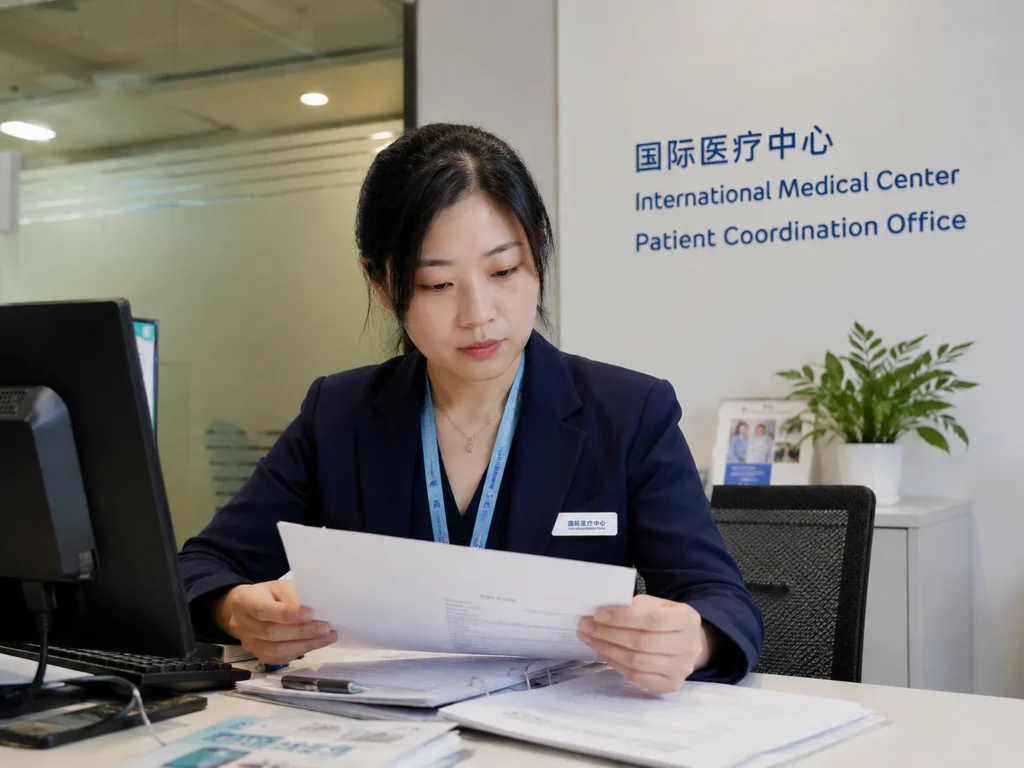
China Care manages all travel logistics: medical visa application (where required), airport transfers, accommodation arrangements within or adjacent to the zone, and any interpreter or cultural liaison services needed. If you are combining this visit with an executive health screening or other medical consultations, itineraries are coordinated to minimize travel days.
Step 5: On-Site Support and Follow-Up
A China Care coordinator is available throughout your stay for any communication or logistical needs. On discharge, your follow-up protocol — including the 30/60/90-day bloodwork schedule and remote physician consultation access — is confirmed in writing. Post-program, you remain a China Care client with ongoing access to our medical network for any follow-up questions.
FAQ
Is stem cell anti-aging therapy legal in China?
Stem cell therapies offered at Boao Lecheng operate under a special regulatory framework established by the State Council that permits the use of cell-based products within the zone before full NMPA domestic approval. This is not a gray market — it is a deliberately designed pilot framework for medical innovation. Programs must be physician-supervised, and facilities are subject to ongoing regulatory oversight by the NMPA and Hainan provincial health authorities.
What type of stem cells are used, and where do they come from?
Programs at Boao Lecheng’s licensed facilities primarily use allogeneic mesenchymal stem cells (MSCs) derived from umbilical cord Wharton’s Jelly. Donor materials are rigorously screened for infectious disease and genetic abnormalities at GMP-certified cell banks. Autologous options (using your own cells, typically from adipose tissue or bone marrow) are available at some facilities but require additional preparation time.
How long do the effects last?
This varies between individuals and is not well-characterized in the published literature. Clinical observation at Boao Lecheng centers suggests that most patients report peak subjective benefit — improved energy, cognitive clarity, and physical recovery — in the four to twelve weeks following treatment. Some patients report sustained benefit over six to twelve months; others choose to return annually for a maintenance program. The follow-up bloodwork at 30, 60, and 90 days provides objective data on inflammatory markers and metabolic health, which helps interpret your individual response.
Are there risks or side effects?
With properly screened allogeneic MSCs, serious adverse events are rare. The most commonly reported side effects are transient: mild fever, fatigue, or injection-site discomfort in the 24–48 hours post-infusion. Allergic reactions and immune responses are possible but uncommon with Wharton’s Jelly-derived MSCs due to their low immunogenicity. All Boao Lecheng facilities maintain monitoring protocols and emergency response capability. You will receive a full risk disclosure document as part of informed consent before treatment begins.
Can I combine this with a cancer screening or full health check?
Yes — and this is a combination China Care frequently facilitates. A comprehensive health screening for foreigners in China can be scheduled either before or after your Boao Lecheng program, typically in Guangzhou, Shanghai, or Beijing. The diagnostic data from a full health check complements the program’s baseline assessment and provides additional clinical context for the treating physician.
Do I need a medical visa to visit Boao Lecheng?
Hainan Province operates its own visa policies distinct from mainland China. Citizens of 59 countries, including the US, UK, Canada, Australia, and Singapore, currently qualify for visa-free entry to Hainan for up to 30 days under China’s expanding waiver program. For nationalities not covered, a standard medical visa is available — and China Care manages the application process end to end. Full details are available in our China medical visa guide.
How is this different from stem cell therapy for a medical condition like diabetes or ALS?
Anti-aging programs are wellness-oriented — they are designed for healthy individuals seeking to optimize cellular function and delay age-related decline, not to treat a diagnosed disease. Our stem cell therapy for diabetes at Boao Lecheng article covers the distinct clinical pathway for metabolic disease. For neurological conditions, different clinical protocols and eligibility criteria apply. The unifying principle is the same — Boao Lecheng’s regulatory framework enables access to cellular therapies not yet routinely available elsewhere — but the medical pathway, dosing, and follow-up structure differ significantly between wellness programs and disease-specific treatment.
Start Your Consultation
Ready to explore whether a stem cell anti-aging program is right for you?
China Care Health Tours coordinates access to Boao Lecheng’s leading longevity facilities for international patients — from pre-screening and program design through travel logistics, on-site support, and follow-up.
Inquire About an Anti-Aging Program
Explore Executive Health Screening in China
Important Disclaimer
China Care Health Tours is a medical tourism facilitation company. We are not a medical provider, clinic, or pharmaceutical company. We do not administer treatments, prescribe therapies, or provide medical advice.
The stem cell anti-aging programs described in this article are wellness programs, not approved medical treatments for aging or any age-related disease. No regulatory authority — including the FDA, EMA, or NMPA — has approved allogeneic MSC therapy specifically for the indication of aging reversal or longevity enhancement in healthy individuals. Programs offered at Boao Lecheng operate under the zone’s special pilot framework and are governed by Chinese healthcare regulations applicable to that jurisdiction.
Participation in these programs involves medical procedures that carry inherent risks. All patients undergo medical screening and provide informed consent before treatment. China Care does not guarantee any specific outcome, and the information in this article does not constitute medical advice.
If you have a diagnosed medical condition, you should consult your physician before considering any cellular therapy program. Individuals with active or prior cancer, autoimmune disease, or other serious medical conditions require individualized medical assessment before considering participation.