
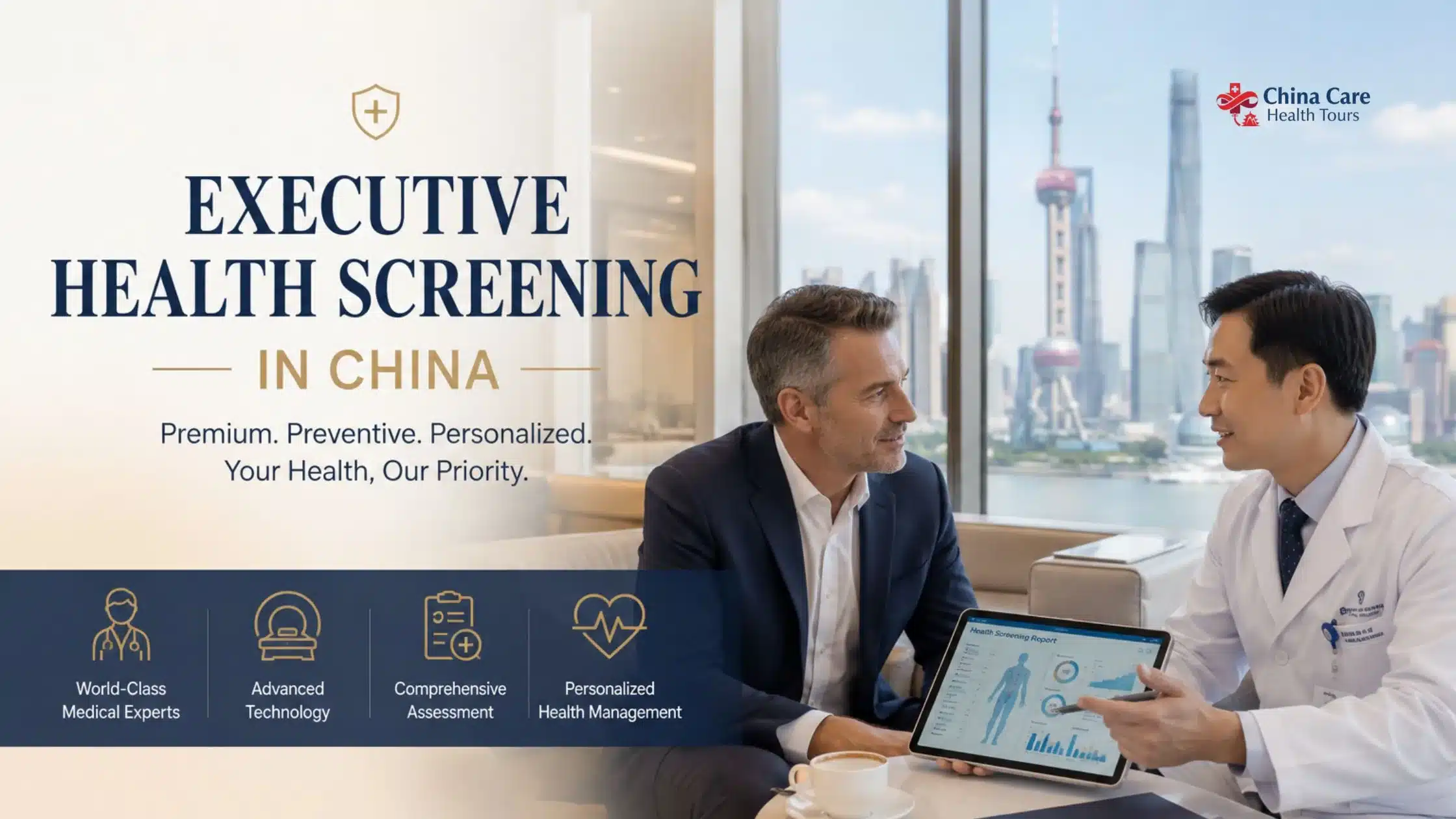
China’s purpose-built health screening centres offer a genuinely different product from a GP annual physical: 60–100 biomarkers, comprehensive imaging, cancer marker panels, and a specialist-led debrief — completed in one day, with digital results delivered within 3–7 working days. For internationally mobile executives and high-net-worth individuals, the combination of clinical depth and cost makes China a compelling destination for preventive health screening internationally. This guide explains what executive screening covers, how it compares to a standard health check, which centres are worth considering, and who should make the trip.
Key Facts
- A mid-tier executive health screening programme in China covers 60–100 biomarkers plus full imaging — compared to 8–12 biomarkers in a standard GP annual physical in the UK or US.
- Packages at major Chinese screening centres start from RMB 1,399 (approx. USD 196) for CT-inclusive programmes at Meinian Onehealth; MRI-inclusive programmes start from RMB 1,999 (approx. USD 280); specialist tiers with targeted oncology, cardiovascular, or genomic focus range from RMB 3,300 to RMB 16,000. Equivalent comprehensive testing in Hong Kong costs HKD 12,000–35,000 (USD 1,500–4,500).
- Cancer biomarkers — CEA, AFP, CA-125, CA19-9, and PSA — are standard inclusions in mid-tier Chinese executive screening packages; they are not part of routine GP blood tests in any major Western health system.
- China’s top-tier screening centres operate 3T MRI, 256-slice CT, and AI-assisted radiology platforms as standard equipment across their networks.
- Cancers detected at stage I or II have a five-year survival rate exceeding 85% for many tumour types, compared to 20–30% for the same cancers detected at stage IV, according to a 2023 systematic review on cancer screening outcomes published via NCBI. Survival benefits vary by cancer type, and some screenings carry overdiagnosis considerations — a physician should interpret results in context.
- Digital results are delivered within 3–7 working days, consolidated into a single physician-reviewed report — not fragmented across separate outpatient referrals.
Table of Contents
1. What Is Executive Health Screening?
Executive health screening is a purpose-built, half-day (or one-day) comprehensive medical assessment delivered at a dedicated health screening centre — not a GP clinic, not a hospital outpatient department.
The name “executive” reflects the original market: senior professionals who could not afford weeks of fragmented outpatient appointments. The product has since expanded well beyond that demographic. It is now the standard framework for any individual who wants a thorough baseline picture of their health — particularly those aged 40 and above, those with a family history of cancer or cardiovascular disease, and internationally mobile individuals who want comprehensive results in a single coordinated visit.
What it covers
A mid-to-high-tier executive screen at a Chinese centre — such as those offered through Meinian Onehealth, JD Health Screening Centre, or Ruici Health — typically includes:
Laboratory panels (60–100 biomarkers)
- Full metabolic panel, liver enzymes, kidney function
- Lipid subfraction analysis (not just total cholesterol)
- Hormone panels (thyroid, testosterone, oestrogen, cortisol)
- Inflammatory markers (hsCRP, homocysteine)
- Cancer biomarkers: CEA, AFP, CA-125 or CA19-9, PSA, CA72-4
- Vitamins and minerals (B12, D, ferritin, zinc)
- Glycated haemoglobin (HbA1c) for diabetes risk
Imaging
- Abdominal ultrasound (liver, gallbladder, pancreas, spleen, kidneys)
- Cardiac ultrasound (echocardiogram) or colour Doppler
- Low-dose CT scan (lungs, depending on package)
- Thyroid ultrasound
- Breast ultrasound or mammography (for women)
- Carotid artery ultrasound
Cardiovascular assessment
- 12-lead resting ECG
- Treadmill stress test or pharmacological stress test
- ABI (ankle-brachial index) for peripheral vascular disease
Other assessments
- Bone density (DEXA scan)
- Ophthalmology screen (glaucoma, fundoscopy)
- Audiometry
- Pulmonary function test (spirometry)
Physician review
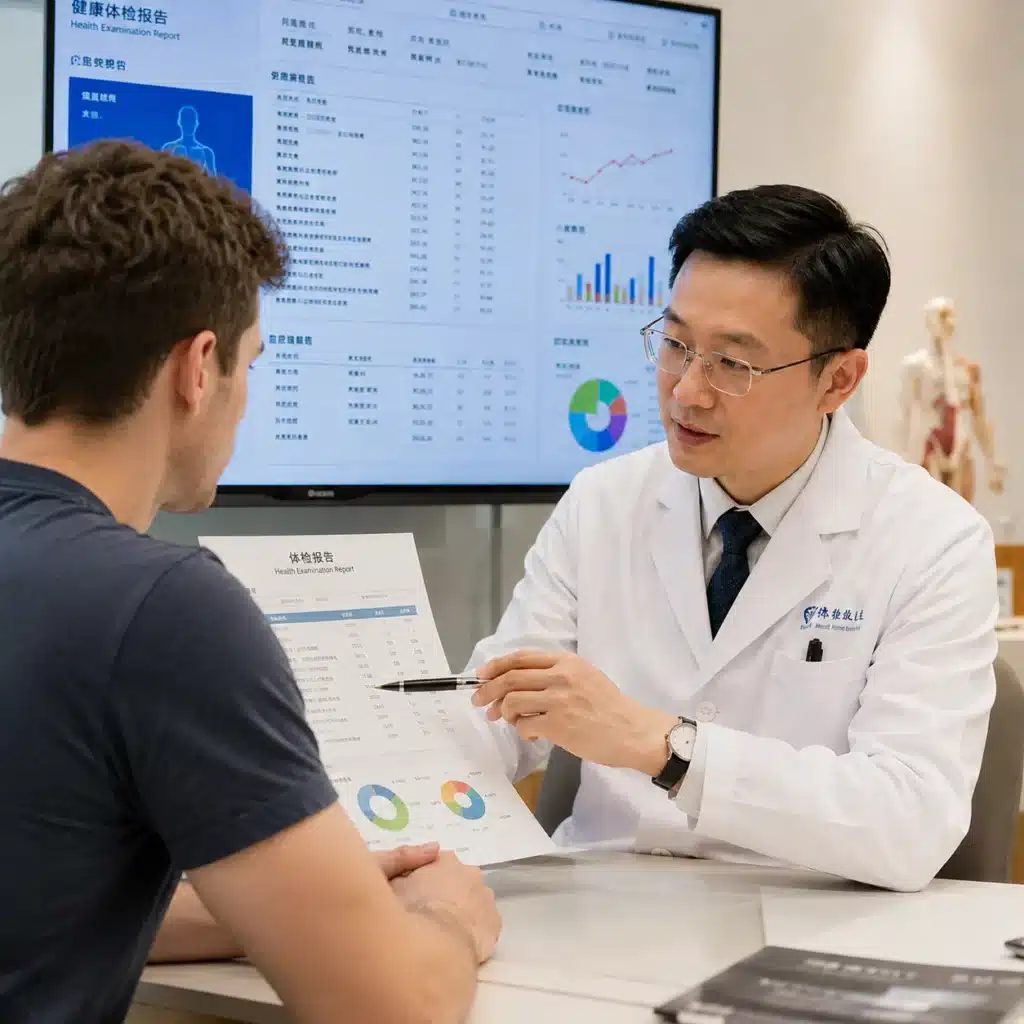
All results reviewed by a specialist physician — not a nurse or technician — with a structured debrief and written report. Digital results are delivered within 3–7 working days.
This is not a diagnostic service for people who are already ill. It is a structured, evidence-based prevention programme for people who want to find things before symptoms appear.
2. What a Regular Health Check Covers — and What It Misses
A regular health check — also called an annual physical, GP check-up, or routine medical — is a scheduled visit with a general practitioner. Its purpose is to track key health indicators over time, update vaccinations, and flag conditions that have become symptomatic.
What it typically includes
- Blood pressure measurement
- BMI and basic body composition
- Fasting blood glucose (diabetes screening)
- Lipid panel (total cholesterol, LDL, HDL, triglycerides)
- Complete blood count (CBC)
- Basic liver and kidney function
- Urinalysis
- Thyroid-stimulating hormone (TSH), sometimes
- Brief cardiovascular risk assessment
According to the World Health Organization’s guidance on preventive care, routine check-ups form the foundation of non-communicable disease prevention — but they are explicitly designed as a screening baseline, not a comprehensive diagnostic tool.
What it misses
A standard GP annual physical in the UK covers approximately 8–12 biomarkers. A mid-tier executive screen at a Chinese screening centre covers 60–100 biomarkers plus full-body or targeted imaging. In a typical GP visit, you will not receive:
- Cancer biomarkers (CEA, AFP, CA-125, CA19-9, PSA in depth)
- Advanced cardiac imaging (coronary CT angiography, echocardiography)
- Abdominal ultrasound (liver, pancreas, kidney, gallbladder)
- Low-dose CT of the lungs (critical for smokers and former smokers)
- Carotid intima-media thickness (early atherosclerosis detection)
- Bone density scan (DEXA)
- Full thyroid panel beyond TSH alone
- A consolidated physician debrief reviewing all results together
Time at a GP appointment: typically 10–20 minutes. A full executive screen: 4–8 hours.
The gap is not about quality of care — GPs are skilled clinicians. It is about scope, time, and what the system was designed to do. A GP check-up was built for population health monitoring. An executive screen was built for individual early detection.
3. Side-by-Side Comparison
| Criterion | Regular GP Health Check | Executive Health Screening (China) |
|---|---|---|
| Tests / Biomarkers | 8–12 (basic panels) | 60–100+ (full metabolic, hormonal, tumour markers) |
| Imaging | None (or referral required) | Included: ultrasound, CT, echocardiogram, DEXA |
| Cancer Biomarkers | Not standard | CEA, AFP, CA-125, CA19-9, PSA — all included |
| Cardiac Depth | BP + basic cholesterol | ECG, echo, stress test, carotid Doppler |
| Time Required | 10–20 min GP appointment | 4–8 hours at screening centre |
| Physician Review | GP assessment (brief) | Specialist-led full debrief, written report |
| Results Turnaround | 1–2 weeks (fragmented) | Digital results within 3–7 working days (consolidated) |
| Cost — UK | Free (NHS) or £200–£500 (private) | — |
| Cost — US | USD 200–800 (out of pocket) | — |
| Cost — HK | HKD 12,000–35,000 (comparable private screen) | — |
| Cost — Singapore | SGD 3,000–10,000 | — |
| Cost — China (CT programmes) | — | From RMB 1,399–1,999 (approx. USD 196–280); CT + full biomarkers + cancer markers included |
| Cost — China (MRI programmes) | — | From RMB 1,999–5,988 (approx. USD 280–830); MRI + extended panels |
| Cost — China (specialist VIP tiers) | — | RMB 3,300–16,000 (approx. USD 460–2,200); targeted oncology, cardiovascular, or genomic focus |
| Language Support | Local language | English-speaking coordinators; translated reports |
| Coordination | Self-managed, fragmented across referrals | Full concierge: transfer, interpreter, follow-up |
Price note: China Care confirms the centre, package, date, availability, and rate before payment. An advance payment is required to secure your booking. You pay China Care directly, and we handle payment with the screening centre on your behalf — no Chinese bank card or cash needed on the day.
4. Why China for Executive Health Screening?
The cost differential is the most visible argument, but it is not the only one.
1. Equipment that genuinely competes at the top tier
The gap in imaging technology between China and Western private medicine that existed a decade ago has closed. China’s top-tier private screening chains now operate 3T MRI, 256-slice CT, dual-source CT for cardiac imaging, and AI-assisted radiology platforms as standard equipment across their networks. These are not found only at flagship urban centres — they are network-wide at Meinian, JD Health, and Ruici.
AI-assisted radiology is particularly relevant for early detection: algorithm-assisted review of lung CT scans flags micro-nodules below the threshold that human review alone reliably detects. The same applies to early cardiovascular plaque identification in cardiac imaging. AI assistance does not replace the reviewing physician; it reduces the rate of missed incidental findings.
2. A cost structure that makes comprehensive screening accessible
CT-inclusive programmes with recorded test components start from RMB 1,399 (approx. USD 196) at Meinian Onehealth’s national network. MRI-inclusive programmes with recorded Brain MRI and supporting test components start from RMB 1,999 (approx. USD 280). Specialist VIP tiers with targeted cardiovascular, oncology, or genomic focus range from RMB 3,300 to RMB 16,000.
A comparable private screen at a Hong Kong centre costs HKD 12,000–35,000 — roughly ten to forty times the entry-tier China price for equivalent imaging and biomarker coverage. In Singapore, a similarly scoped programme runs SGD 3,000–10,000.
The cost advantage is structural, not a function of lower quality. Labour costs, facility operating costs, and the competitive density of the Chinese private screening market produce a genuinely different price point.
3. Coordinated half-day programmes designed for internationally mobile patients
Assembling equivalent testing at home means separate GP referrals, separate outpatient appointments across different departments or facilities, and a results picture that arrives in fragments over days or weeks. An executive screen in China consolidates everything — blood draws, all imaging, cardiovascular testing, physician review — into a single visit, with results delivered digitally within 3–7 working days.
For high-travel executives with limited availability, this is a materially different proposition.
4. English-language coordination and international patient infrastructure
The screening centres themselves operate with international patient desks, but the coordination layer is what makes the difference for first-time visitors: interpreter support, pre-booking logistics, transfer arrangements, English-language translated reports, and follow-up consultation if something requires further investigation. That is what China Care handles.
International patients exploring health screening in China for foreigners typically arrive with one of three motivations: cost, access to technology, or efficiency. China delivers on all three when the visit is properly coordinated.
5. The Three Leading Screening Networks
China Care coordinates screening through three purpose-built networks. Each has a distinct positioning.
Meinian Onehealth
China’s largest health screening chain by network coverage, with facilities in over 30 cities. The national network offers four core tiers through China Care:
- Advanced CT Screening (RMB 1,399) — Head CT + low-dose chest CT + AFP, CEA, CA-125, PSA + abdominal ultrasound + ECG. A solid entry-level comprehensive screen.
- Heart & Vascular Screening (RMB 1,499) — Head CT + chest CT + cardiac echocardiogram + carotid artery ultrasound + AFP, CEA. Suited to clients with cardiovascular risk factors.
- Comprehensive MRI Screening (RMB 1,999) — Head MRI + chest CT + cardiac and carotid ultrasound + full tumour marker panel + HPV 23-type testing (women) + diabetes screening. A clinically comprehensive half-day health screening at this price point in China.
- Advanced MRI & MRA Screening (RMB 2,999) — Head MRI + cerebrovascular MRA (brain vessel imaging) + chest CT + bone density + thyroid function seven items + full tumour markers. Recommended for clients aged 50+ or those with a family history of stroke or cerebrovascular disease.
Beijing locations additionally offer three fixed tiers at RMB 499, 999 and 1,999 — a separate Beijing-specific product line. For all other cities, the national tiers above apply; confirmed pricing by city is available from China Care.
Meinian is best suited to: clients who want wide geographic availability, a brand with scale and standardised clinical protocols, and the ability to choose a tier by specific clinical focus.
View Meinian Onehealth screening programmes →
JD Health Screening Centre
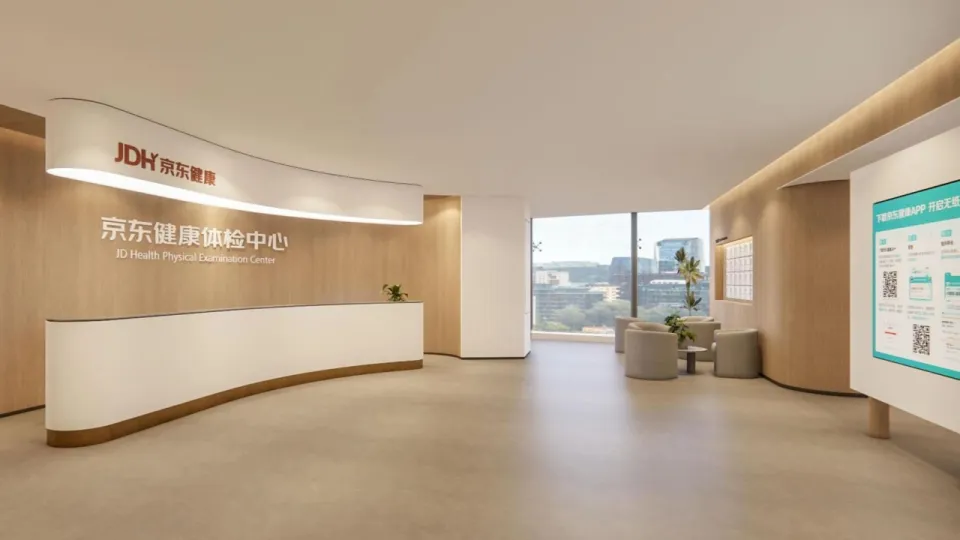
Part of JD Health — China’s largest healthcare platform — with dedicated screening facilities in Beijing and Shenzhen. Ten package tiers from RMB 999 to RMB 16,000, with fully digital records and results within 3–7 working days.
Standard tiers (RMB 999–2,599) cover the essential baseline: blood panels, ECG, abdominal ultrasound, low-dose chest CT, and progressive additions of cancer markers and cardiac imaging at higher tiers.
VIP tiers — with distinct specialist focus:
- Executive Health Check (RMB 3,300) — Comprehensive adult screen: head MRI, full blood panels, tumour markers, carotid and abdominal ultrasound, pulmonary function.
- Executive Plus (RMB 5,500) — Comprehensive upgrade: head MRI (standard from this tier), 13-item vitamin panel, infectious disease panel, fundus photography, ultrasonic teeth cleaning.
- Advanced Executive (RMB 7,700) — Cardiovascular focus: Cervical spine MRI + cardiac echocardiogram + vertebral artery ultrasound + 8-item advanced lipid panel + cardiovascular genetic risk assessment. Best for clients with family history of heart disease or stroke.
- Premium Executive (RMB 7,700) — Cancer screening focus: Extended 12-item tumour marker panel + EB virus antibody six items (nasopharyngeal cancer risk) + colorectal cancer multi-gene methylation blood test. Best for clients with a family history of cancer.
- Elite Executive (RMB 8,800) — Gastrointestinal & immune focus: Capsule gastroscopy + TBNK lymphocyte subset testing (immune function, 11 items) + intestinal cancer gene methylation. Best for clients with GI symptoms, H. pylori history, or immune concerns.
- Signature Executive (RMB 16,000) — Comprehensive + genomic: All of the above plus lung cancer genetic risk assessment, early-onset coronary heart disease gene testing, lumbar CT, thyroid function seven items, and AMH (women, ovarian reserve). Recommended for clients aged 40+ or with a family history of stroke or cerebrovascular disease.
JD Health is best suited to: clients in Beijing or Shenzhen who want a digitally integrated experience, a clear specialist focus within their chosen tier, or access to JD Health’s broader medical platform for follow-up coordination.
View JD Health Screening Centre packages →
Ruici Health
Ruici Health is listed on the Hong Kong Stock Exchange (ticker: 1526) and operates a nationwide family-card screening lineup. Packages start from RMB 1,988 (Essential Family Health Check). The top-tier Family Executive Health Check at RMB 5,988 includes Brain MRI and MRA (cerebral angiography), an extended thyroid panel, expanded liver-function testing, coronary artery calcium scoring, and a gastrin and pepsinogen panel — a clinically complete single-day programme. MRI and No-MRI variants are also available at RMB 3,988 and RMB 4,988; China Care confirms the exact package, date, and rate before payment.
Ruici is well suited to: clients across China who want a premium-positioned centre with HKEX-listed governance standards, and clients for whom Brain MRI and MRA imaging are clinically relevant — both the Family MRI Health Check (RMB 3,988) and the top-tier Family Executive Health Check (RMB 5,988) include it.
View Ruici Health Screening Centre programmes →
6. Who Needs Executive Screening?
Not everyone needs a full executive screen every year. Several factors shift the calculation significantly.
Age thresholds
Research consistently shows that the risk profile for most major non-communicable diseases — cardiovascular disease, type 2 diabetes, and the most prevalent cancers — rises sharply from age 40. According to WHO data on NCD risk by age cohort, many guidelines suggest a comprehensive baseline from age 40, with repeat screening considered as risk accumulates.
If you are 40 or over and have never had a comprehensive screen with full imaging and cancer biomarker panels, you have gaps in your baseline that a GP visit cannot fill.
Family history triggers
A family history of any of the following makes a comprehensive screen worthwhile at a younger age (35+):
- Colorectal cancer
- Breast or ovarian cancer
- Pancreatic cancer
- Cardiovascular disease (first-degree relative before age 60)
- Type 2 diabetes
- Thyroid disorders
Lifestyle and occupational factors
- Frequent long-haul travel (disrupted circadian rhythm, elevated deep-vein thrombosis risk)
- High-stress leadership roles (elevated cortisol, inflammatory markers, cardiovascular load)
- Sedentary desk work combined with irregular eating patterns
- Smoking history (including former smokers: low-dose lung CT is the single most important test)
- Heavy alcohol use (liver function, pancreatic markers)
Geographic rationale for screening in China
Clients exploring health screening in Beijing for foreigners or health screening in Shenzhen for foreigners typically fit one or more of the above profiles and are combining the screening trip with existing travel to China, or making a dedicated trip for the cost and efficiency advantages. Either approach works — China Care handles the coordination in both cases.
7. Which Programme Is Right for You?
The right programme depends on your age, risk profile, and what you specifically want to know. These are not rigid prescriptions — use them as starting points for discussion with your China Care coordinator.
If you are 35–44 with no significant risk factors:
The Meinian Heart & Vascular Screening (RMB 1,499) or Comprehensive MRI Screening (RMB 1,999) covers the essential baseline: CT imaging, full metabolic panel, ECG, cancer markers, and cardiac ultrasound. Alternatively, JD Health’s standard tiers (RMB 2,099–2,599) are strong options if you prefer the JD network. You do not need the featured or specialist tier at this stage unless specific concerns exist.
If you are 45+ or have a family history of cancer or cardiovascular disease:
Consider the Meinian Advanced MRI & MRA Screening (RMB 2,999) for cerebrovascular coverage, or move to JD Health Executive Health Check (RMB 3,300) upward. If cardiovascular disease is your primary concern, JD Health Advanced Executive (RMB 7,700) adds cervical spine MRI, cardiac echo, vertebral artery ultrasound, advanced lipid panel, and cardiovascular genetic risk. If cancer history is the primary concern, Premium Executive (RMB 7,700) adds 12-item tumour markers, EB virus antibodies (nasopharyngeal cancer), and colorectal cancer gene methylation. Ruici Family Brain MRI & MRA Check (RMB 4,988) or Family Executive Health Check (RMB 5,988) — including Brain MRI and MRA — is the comparable choice for clients who prefer the Ruici network.
If you are a senior executive aged 50+ with a high-stress profile:
JD Health Elite Executive (RMB 8,800) adds capsule gastroscopy and full immune function (TBNK lymphocyte subset panel) for clients with GI or immune concerns. The Signature Executive (RMB 16,000) provides a comprehensive single-day programme available through China Care: all specialist panels, lung and coronary heart disease genetic risk, lumbar CT, and comprehensive thyroid assessment. Ruici Family Executive Health Check (RMB 5,988) with Brain MRI and MRA is the comparable choice for clients who prefer the Ruici network.
If you are not yet sure:
Contact China Care directly through the assessment call page and describe your age, family history, and any specific concerns. The recommendation will be specific to your situation, not a generic upsell. If a lower-tier programme is clinically sufficient for you, that is what will be recommended.
The honest framing: an executive health screen is not a guarantee of anything. A clear result does not mean you are invincible. What it does is give you a far more detailed picture than a standard check-up — and that detail matters most when the alternative is finding something late.
8. Frequently Asked Questions
Do I need to speak Chinese to complete a screening?
No. China Care provides English-speaking coordinators, and the screening centres operate international patient desks. Reports can be delivered with professional English translation arranged on request.
How long does the screening take, and when do I get results?
A full executive screen typically takes 3–4 hours on the day. Digital results are delivered within 3–7 working days as a consolidated, physician-reviewed report.
How do I pay, and do I need a Chinese bank card?
You pay China Care directly. An advance payment secures your booking; we handle payment with the screening centre on your behalf. No Chinese bank card or cash is needed on the day.
What is the booking and refund policy?
Cancellations or reschedules requested at least 24 hours before the appointment are eligible for a full refund. Same-day changes are not refundable. China Care confirms the centre, package, date, availability, and rate before payment.
Is an executive health screen a diagnostic service?
No. It is a structured prevention programme for people without acute symptoms. It does not replace ongoing care from your own physician, and any finding should be reviewed by a qualified doctor.
References
- World Health Organization — Non-communicable diseases: preventive care guidance: https://www.who.int/health-topics/noncommunicable-diseases
- World Health Organization — NCD risk data by age cohort: https://www.who.int/data/gho/data/themes/noncommunicable-diseases
- NCBI — Systematic review on cancer screening outcomes and stage-at-detection survival rates (2023): https://www.ncbi.nlm.nih.gov/pmc/articles/PMC10370391/
- China Care Health Tours — Executive Health Screening service page: https://chinacarehealthtours.com/executive-health-screening/
- China Care Health Tours — JD Health Screening Centre: https://chinacarehealthtours.com/executive-health-screening/jd-health-screening-centre/
- China Care Health Tours — Ruici Health Screening Centre: https://chinacarehealthtours.com/executive-health-screening/ruici-health-screening-centre/
- China Care Health Tours — Meinian Onehealth Screening Centre: https://chinacarehealthtours.com/executive-health-screening/meinian-onehealth-screening-centre/
- China Care Health Tours — Health screening in China for foreigners: https://chinacarehealthtours.com/health-screening-in-china-for-foreigners/
- China Care Health Tours — Medical visa guide: https://chinacarehealthtours.com/how-to-get-a-medical-visa-for-china-a-complete-2026-guide/
Next Steps
China Care coordinates executive health screening at purpose-built centres across China — with English support, transparent published pricing, and a concierge service that handles everything from airport transfer to translated results.