

Chongqing is built for memorable travel, not effortless logistics. You may be climbing steep steps above the rivers, boarding a Three Gorges cruise at Chaotianmen, eating late-night hotpot, or moving between stations and hotels in intense summer heat. If a health problem interrupts the trip, the hardest part is often not finding a hospital on a map. It is knowing what needs emergency care now, what can wait for a planned appointment, and how to manage a Mandarin-first hospital system without losing time.
This Chongqing medical travel guide gives international visitors a calm, practical route through those decisions. It covers 120 emergencies, hospital preparation, travel risks that are specific to Chongqing, and how China Care Health Tours can coordinate a non-emergency planned hospital visit.
Quick Answer: What To Do If You Need Care in Chongqing
| Situation | First practical step | Important boundary |
|---|---|---|
| Life-threatening emergency | Call 120 or go to the nearest emergency department | Do not wait for a hotel reply, insurance approval, or language support |
| Stable illness or injury that needs assessment | Seek a clinic or hospital department appropriate to the problem | Confirm the department, current appointment process and payment requirements |
| Planned hospital visit | Compare suitable hospitals and confirm details before travelling | A hospital decides availability and clinical suitability for each case |
| Need help using a Mandarin-first hospital | Prepare records and arrange agreed interpretation or coordination | China Care supports logistics, not diagnosis or treatment |
| Illness on a Three Gorges cruise | Tell the crew and use the ship medical room | Serious problems require shore transfer and emergency care |
| Heat, stomach symptoms or a minor fall | Stop strenuous activity, hydrate as tolerated and monitor | Seek urgent assessment for warning signs or uncertainty |
Before you travel, keep five things easy to reach: your hotel address in Chinese, passport, medication and allergy list, travel-insurance contact details, and any important medical records. Those basics are often more useful in the first ten minutes of a problem than a long list of hospital names.
For a broader city-by-city overview, see China Care Health Tours’ destination guide.
Ask China Care about a planned Chongqing hospital visit →
China Care Health Tours can help with practical planning for an agreed non-emergency visit. We do not provide medical diagnosis, emergency dispatch, or treatment.
Who This Guide Is For
This guide is for international visitors and families who want to be prepared before a health issue complicates a Chongqing trip. It may be useful if you are:
- visiting Chongqing for tourism, family travel, business, or a short transit stay;
- joining or leaving a Yangtze or Three Gorges cruise at Chaotianmen;
- travelling with a child, older relative, chronic health condition, or prescription medicine;
- considering a planned hospital consultation or optional health check while in the city;
- looking for a Chongqing hospital and need to understand the practical process before committing to travel; or
- helping a family member who does not speak Mandarin navigate registration, records, payment and follow-up.
It is not a substitute for a treating clinician, emergency department, travel-insurance assistance line, pharmacist, or immigration authority. Long-term residents will also need local insurance and primary-care arrangements beyond this visitor guide.
Key Medical Care Options in Chongqing
Emergency department care
Use emergency care for a condition that cannot safely wait: chest pain, major bleeding, possible stroke, serious breathing difficulty, loss of consciousness, seizure, severe allergic reaction, major trauma, or heat illness with confusion or collapse. In that situation, the nearest capable emergency department matters more than a preferred hospital name, a planned interpreter, or an insurance arrangement.
Dial 120 for a medical ambulance in China. Operators may not speak English, so save your accommodation address in Chinese and ask hotel staff, a guide, a travelling companion, or another Mandarin speaker to help if possible. A translation app can help convey basic information, but it should never delay emergency transport.
A stable, planned hospital appointment
For a stable problem, a follow-up question, a non-urgent specialist consultation, or a health concern that can wait for an appointment, a planned visit gives you time to prepare. Before travelling to a hospital, confirm:
- which department is relevant to your stated concern;
- whether that department can accept an appointment on the required date;
- what passport, prior records, test results and payment method are required;
- whether a companion or interpreter may attend registration and consultation;
- what records, receipts or translations may be available after the visit; and
- what your insurer requires if you intend to make a claim.
A hospital and its treating clinicians decide their own current availability, clinical suitability, documentation and payment procedures. China Care can help with agreed practical communication, but cannot decide which treatment you need or guarantee a hospital appointment.
Chongqing West Hospital: a local comprehensive-hospital option
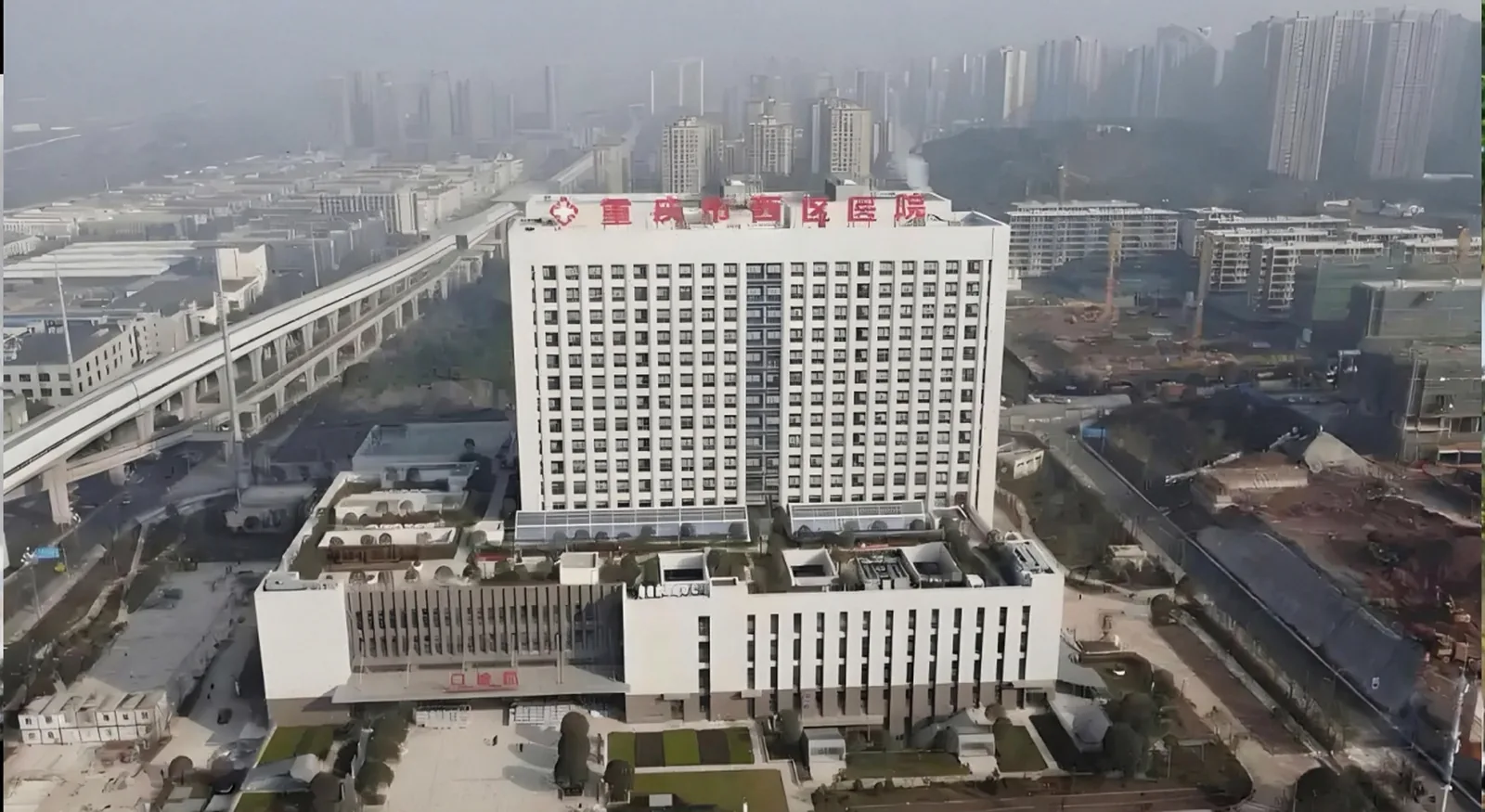
Chongqing West Hospital is a Grade-3-standard comprehensive teaching hospital in Chongqing’s Jiulongpo District. It is a local hospital used by Chongqing residents, with a normal Mandarin clinical workflow and a broad range of departments.
The hospital has services across cardiovascular care, digestive and hepatobiliary care, neurology and neurosurgery, orthopaedics and trauma, and oncology radiotherapy. Its suitability depends on the individual patient’s diagnosis, records, travel constraints and the hospital’s own acceptance of the case.
For an agreed planned visit, China Care Health Tours can help prepare records, communicate about the appointment, arrange bilingual coordination and support you on the day. Clinical care remains with the hospital. Treatment costs are quoted directly by the hospital, and China Care never adds to, inflates, or marks up the hospital’s quoted treatment cost.
Optional health screening or wellness visit
A health check is a planned, optional service. It is not a substitute for emergency assessment, ongoing treatment, or medical advice from your own clinician. If you are considering a screening appointment, compare the actual programme, preparation requirements, included tests, report-delivery process and current price before booking.
China Care’s executive health screening overview and health screening guide for foreigners explain the wider planning process. For verified screening programmes, digital results are generally delivered within 3–7 working days, subject to the provider and test type. Do not assume that results will be ready on the day or issued in English unless the provider confirms this in writing.
The Decision Gap: What Matters Before You Choose a Hospital
A hospital name alone does not solve a medical-travel problem. The practical questions are different for an emergency, a stable concern, a planned consultation and a full treatment journey.
Emergency care versus planned care
If you have a potentially life-threatening symptom, seek emergency care first. Do not spend time comparing hospitals, collecting quotes, arranging an escort, or waiting for China Care.
If your concern is stable and can wait, use the planning time well. Gather the records, define the practical questions, and obtain confirmation from the provider before you make travel or payment decisions.
A Mandarin hospital does not mean an inaccessible hospital
Most Chongqing hospitals work primarily in Mandarin because they serve local patients. This does not make them unsuitable for every international visitor. It means the visit needs realistic preparation: the correct department, translated records where needed, a clear appointment route, and bilingual coordination when this is part of an agreed service.
Do not treat a general claim that a hospital “has English” as a guarantee that registration, consent, prescriptions, billing, discharge paperwork and every clinician will work in English. Ask about the exact appointment. China Care can help put those practical questions to a partner hospital for a planned visit.
Choosing Chongqing West Hospital or another Chongqing facility
Chongqing West Hospital may be relevant when its departments, location and appointment process fit the patient’s situation. Another Chongqing hospital may be more appropriate when the clinical need, treating team, urgency, patient age, insurance requirements or travel plan point elsewhere.
China Care’s role is to help make the comparison practical. Recommendations are based on clinical fit. The hospital and treating clinicians decide whether they can accept a case, what assessment is required, and what care is available.
Detailed Chongqing Medical Travel Information
Medical emergencies and the 120 ambulance
A serious problem can happen in a hotel, a busy tourist area, on a river cruise, or during a transfer between the airport and station. If you need emergency transport, call 120. Keep your hotel name, address and nearest landmark written in Chinese. If you are travelling alone, show that information to staff or another person nearby rather than trying to explain a complex address verbally.
China Care Health Tours does not dispatch ambulances, triage symptoms, decide which emergency department an ambulance uses, or provide emergency medical advice. In a true emergency, seek care first and discuss logistics later.

Three Gorges cruises: tell the crew early
Yangtze and Three Gorges cruise ships commonly have a medical room for routine onboard needs. The crew should be your first point of contact if you become ill or injured on the river. For a serious problem, the ship may arrange transfer to a hospital at the nearest suitable port. Major emergencies are not managed on the water.
Do not stay in your cabin hoping that worsening symptoms will pass before the next stop. Alert the crew early if you have severe pain, repeated vomiting, dehydration, a suspected injury, breathing difficulty, chest symptoms, fainting, confusion or another problem that feels more serious than routine travel discomfort.
If you are boarding or leaving a cruise at Chaotianmen and want to arrange a planned Chongqing consultation around your itinerary, China Care can help you assess the practical timing before you travel. We cannot guarantee a same-day slot or use a cruise schedule to replace emergency care.
Mountain-city steps, slopes and falls
Chongqing’s hills, stairs, wet pavements and crowded viewpoints create a practical fall risk. Hongya Cave, riverside paths, older lanes and multi-level walkways can be difficult when it is raining, hot, or busy.
For a mild injury that is improving, pause the itinerary, avoid putting further strain on the area, and seek professional advice if you are unsure. Seek prompt medical assessment if you cannot bear weight, a joint looks deformed, pain or swelling is severe or worsening, there is a possible fracture, or a head injury is followed by vomiting, confusion, drowsiness or loss of consciousness.
No travel guide can assess an injury remotely. A hospital can determine whether imaging, observation or further treatment is needed.
Chongqing summer heat
Summer heat and humidity can be intense in Chongqing, particularly when long outdoor walks, stairs, sightseeing queues and alcohol are combined. Plan demanding outdoor routes for cooler parts of the day, carry water, use shade and air conditioning, and take breaks before you feel unwell.
Feeling unusually weak, dizzy, nauseated or headachy is a reason to stop activity, move to a cooler place and reassess. Confusion, collapse, seizures, very high temperature, or an inability to stay awake are emergency warning signs. Call 120 and begin cooling while waiting for help if it is safe to do so.
The US CDC’s China traveller information is a useful general source for pre-trip health preparation. Visitors with a condition affected by heat, exertion or dehydration should discuss their itinerary with their own clinician before travelling.
Hotpot, dietary change and stomach symptoms
Chongqing hotpot is part of the trip for many visitors, but travel-related stomach symptoms can have many causes: dietary change, rich or spicy meals, food handling, alcohol, infection, medication effects or an unrelated illness. Do not assume every symptom is simply a reaction to chili.
For mild symptoms that are improving and when you can tolerate fluids, reduce activity, drink fluids as tolerated and monitor how you feel. Seek clinical assessment promptly for high fever, blood in stool, repeated vomiting that prevents fluids, signs of dehydration, severe or worsening abdominal pain, confusion, or symptoms that are not improving.
Medication choices, doses and interactions are individual. Ask a licensed clinician or pharmacist rather than relying on a travel guide for a specific product recommendation. The CDC Yellow Book guidance on travellers’ diarrhea provides general health information but does not replace individual medical assessment.
Pharmacies, prescriptions and personal medicines
Pharmacies are common in Chongqing, often marked 药店 or 大药房. Brand names, prescription status, formulations and suitability can differ from those in your home country. Bring important medicines in original packaging where possible, together with a medication list that shows generic names, dose, allergies and the reason you take them.
Do not assume you can purchase the same drug or strength during the trip. Do not use a guide to self-select antibiotics, unfamiliar pain medicines or treatments for a serious symptom. A clinician or pharmacist can advise on your specific circumstances.
Payment, records, insurance and language support
For a planned visit, confirm payment arrangements with both the hospital and your insurer before you go. Public and local hospitals may ask for payment at the point of service, while insurance reimbursement and direct billing depend on the provider, insurer and policy. In an emergency, do not delay urgent care while waiting for a coverage decision.
If you need records for a clinician at home, ask the hospital what records and receipts it can issue. If translation is needed, ask who will prepare it, what the process is, and how long it may take. A spoken-language arrangement does not automatically mean that every record will be issued in English.
For a planned hospital visit arranged with China Care, bilingual coordination can cover agreed practical steps such as appointment communication, preparation of records and on-site navigation. It does not change the hospital’s medical or administrative decisions.
Transit and entry rules
Do not build a medical plan around an assumed visa-free or transit entitlement. Entry eligibility depends on nationality, route, port, onward ticket, current policy and the decision of relevant authorities. Confirm requirements with the China National Immigration Administration and your carrier before booking travel.
China Care does not issue visas, decide entry eligibility, guarantee transit permission or issue hospital invitation letters. For general orientation, see our China medical visa planning guide.
Common Mistakes To Avoid
- Waiting for a coordinator during an emergency. Call 120 or go to the nearest emergency department first.
- Choosing a hospital only because it appears on a list. Check the actual department, appointment process, records, payment and travel logistics.
- Assuming local hospitals operate in English. Chongqing West Hospital and other local hospitals work primarily in Mandarin. Plan interpretation and document support for an agreed planned visit.
- Leaving your passport and medical records at the hotel. Registration may require original identification, and records can help a clinician understand your situation.
- Trying to push through severe heat, a serious fall or worsening symptoms. Stop the activity and seek emergency assessment when warning signs appear.
- Treating a cruise medical room as a substitute for a hospital. Use it early for onboard help, but follow the crew’s emergency escalation process when needed.
- Assuming travel insurance will automatically pay. Confirm cover, reimbursement documents, direct-billing conditions and evacuation arrangements before travel.
- Using a transit window as a fixed medical appointment guarantee. Confirm both travel rules and hospital availability before building an itinerary around them.
Costs, Process and Timing
Costs depend on the real appointment
This guide does not publish generic hospital-treatment prices. The cost of a visit can depend on the hospital, department, consultation type, tests, medicines, admission needs, records, translation, insurance arrangement and length of stay.
For treatment, costs are quoted directly by the hospital. China Care never adds to, inflates, or marks up the hospital’s quoted treatment cost. If China Care provides a coordination service, its scope and fee should be discussed separately before work begins.
A practical planned-care process
- Clarify the need. Decide whether the issue is an emergency, a stable hospital question, an optional health check or a broader treatment-planning case.
- Prepare key documents. Gather your passport, concise medical summary, test reports, imaging where available, medication list and insurance details.
- Check the hospital path. Confirm the relevant department, appointment process, estimated timing, records and payment requirements.
- Arrange practical support. If needed, agree interpretation, record translation and on-site coordination before travelling.
- Attend and retain documents. Keep receipts, reports and discharge paperwork, then follow up with your usual clinician where appropriate.
Timing depends on hospital availability, the complexity of records, required tests and the individual case. Do not book non-refundable travel around an assumed appointment date until the relevant hospital confirms it.
How China Care Health Tours Helps
China Care Health Tours is a coordination service, not a hospital. We do not diagnose, prescribe, treat, dispatch emergency care, decide clinical suitability or guarantee an outcome.
For an agreed non-emergency planned visit, we can help you:
- understand the practical questions to ask when comparing Chongqing hospital options;
- prepare a concise bilingual record package for hospital communication;
- coordinate appointment enquiries and confirmation with a partner hospital such as Chongqing West Hospital when appropriate;
- arrange agreed bilingual support for registration, consultation navigation and practical communication; and
- help you understand what medical records or follow-up information to request after the visit.
The hospital and treating clinicians remain responsible for clinical decisions, treatment, availability, records and admissions. Recommendations are based on clinical fit. Payment for treatment is made directly to the hospital.
Discuss a planned Chongqing hospital visit with China Care →
Frequently Asked Questions
What is the emergency number in Chongqing?
Dial 120 for a medical emergency in Chongqing and elsewhere in China. Operators may not speak English, so save your hotel address in Chinese and ask a nearby person, hotel staff, guide or companion to help if possible. For life-threatening symptoms, do not wait for China Care, an insurer or an appointment confirmation.
Can a foreign visitor use Chongqing West Hospital?
A foreign visitor may enquire about a planned visit to Chongqing West Hospital, but the hospital decides current appointment acceptance, department availability and clinical suitability. It is a local comprehensive hospital that works primarily in Mandarin. For an agreed planned visit, China Care can help with practical coordination, records and bilingual support.
What should an international visitor expect at Chongqing West Hospital?
Chongqing West Hospital is a local Grade-3-standard comprehensive teaching hospital serving Chongqing residents through a normal Mandarin hospital workflow. For an agreed planned visit, China Care can help international visitors prepare records and arrange practical language and coordination support. The hospital determines appointment acceptance, clinical suitability and care.
Which Chongqing hospital should I choose?
The answer depends on the urgency, your records, the type of care being sought, hospital department, travel route, insurer and what the provider can confirm for the exact appointment. In an emergency, seek the nearest capable emergency department. For a stable planned case, compare practical arrangements and let the hospital decide clinical acceptance.
What should I do if I become ill on a Three Gorges cruise?
Tell the crew promptly and use the ship medical room for immediate onboard support. For a serious issue, the crew may arrange shore transfer to a suitable hospital. Do not wait quietly in your cabin if symptoms are severe or worsening, and do not rely on a planned hospital appointment as a substitute for emergency care.
What should I do if I fall on Chongqing’s stairs?
Stop the activity and seek medical assessment if you cannot bear weight, a joint looks deformed, pain or swelling is severe or worsening, there may be a fracture, or a head injury is followed by vomiting, confusion, drowsiness or loss of consciousness. Call 120 for a serious injury. A travel guide cannot assess the severity of a fall remotely.
What if hotpot or travel food causes stomach symptoms?
Travel stomach symptoms can have several causes. For mild symptoms that are improving and when fluids are tolerated, rest, reduce activity and monitor how you feel. Seek clinical assessment for high fever, blood in stool, repeated vomiting that prevents fluids, dehydration, severe or worsening pain, confusion, or symptoms that do not improve.
Will my hospital paperwork be in English?
Do not assume this. A local hospital may provide records and receipts primarily in Chinese. For a planned visit, ask the hospital what documentation it can issue and whether translation is possible. China Care can help prepare and request documents for an agreed case, but the provider decides what it can provide and on what timeline.
Does travel insurance pay Chongqing hospital bills directly?
It depends on the insurer, policy, provider and service. Confirm cover, pre-approval conditions, direct-billing availability, reimbursement documents and emergency evacuation arrangements directly with your insurer before travelling. In an emergency, seek urgent care first rather than delaying for an insurance answer.
Can I plan a checkup during a short Chongqing visit?
Possibly, if you have adequate time and the provider confirms the appointment, preparation and report timetable in advance. A health check is a planned, optional service. Review the actual package and process through our executive health screening page before booking, and do not assume same-day or English-language results.
Plan Your Chongqing Visit With The Right Expectations
A medical problem should not turn a Chongqing trip into a scramble. The useful preparation is simple: know that 120 is for emergencies, keep your address and medical essentials ready, tell a cruise crew or hotel staff early when something is wrong, and treat a planned hospital visit as a process that needs confirmation rather than an online promise.
Chongqing West Hospital is one local comprehensive-hospital option that China Care Health Tours can help international visitors access for an agreed planned visit. It serves local patients in Mandarin, and that is precisely why realistic coordination, records preparation and bilingual support matter.
For a non-emergency planned visit, China Care can help you ask the right practical questions before you travel. For an emergency, seek urgent medical care immediately.
Talk to China Care about planned medical coordination in Chongqing →
Sources
- Chongqing West Hospital profile, China Care Health Tours
- US CDC: China traveller information
- US CDC Yellow Book: Travellers’ Diarrhea
- China National Immigration Administration
This article provides general travel-planning information and does not replace advice from a qualified clinician. China Care Health Tours is a facilitation and coordination service, not a hospital or medical provider. Hospital services, appointment availability, language arrangements, payment procedures, admission decisions, records and clinical suitability must be confirmed with the relevant provider. Information may change.